Biomimicry, the study of nature to solve technical problems, is far from a 21st century concept. Leonardo da Vinci’s study of birds led to the creation of his unique (though unsuccessful) ornithopter, the first known attempt to fly. And the majestic-looking domes that grace stately buildings, churches and mosques are said to have been a nod to the smooth and versatile egg (or maybe, some suggest, the protecting structure of the human crown).
Call it plagiarism or just ingenious science, but nature’s best patent-free inventions are becoming the go-to source for companies that need to solve tough problems.
The automaker’s tiniest friend
How do you build a car without glues and other toxic adhesives that leave sticky residues? For vehicle manufactures like Ford Motor Company, improving its recycling options often requires upgrading the way they manufacture cars — including how they secure certain devices to supporting structures.
That’s because recycling streams are most efficient when they don’t require a lot of prior disassembly — including removing residues that may get in the way of reusing materials.
So to come up with alternative answers, Ford, and its partner in this case, Procter & Gamble, turned to the gecko lizard, which is known for its agility in tough spots (and its ability to grasp surfaces without leaving sticky messes). The gecko’s sticky pads allow it to climb branches, rocks and other surfaces without leaving a residue.
In fact, it isn’t fluid or glue that binds the gecko’s toes to the surface, but hundreds of minute hairs, so fine as to be imperceptible to the naked eye. The microscopic tufts of hair, called setae, can actually “grasp” the surface through what is called the Van der Waals force, a distance-dependent interaction with the surface at the molecular level that also allows the lizard to move at a moment’s notice
For manufacturers, the gecko’s unique “sticky” pads offer an answer for a number of equally sticky problems — including how to adhere removable parts that could later be replaced or recycled.
For now, research is ongoing. But it’s only a matter of time that scientists will find a way to duplicate the gecko’s attributes.
Of course, it’s worth noting that biomimicry isn’t new to Ford. The automaker has found that nature has some surprising answers for problems in tough spots. The recyclable honeycomb paper in its EcoSport cargo area for example, is based on the engineering feats of the honey bee, which uses a comb-like structure to house its larvae. The honey comb has become the teachable example for many companies’ efforts to develop durable but light surfaces that are adaptive to thin spaces or areas that need porous surfaces.
The slippery slug: Improving medical technology
And vehicle manufacturers aren’t alone in their pursuit for better adhesives. Quick and effective medical treatment options are often ruled by the products that doctors and nurses have at hand. When it comes to surgical recovery, having a product that can interface with an open wound is critical — and often hard to find.
In this case, researchers at the Wyss Institute for Biologically Inspired Engineering and the John A. Paulson School of Engineering and Applied Sciences (SEAS) used the slug’s sticky underside as an example of how to create a hydrogel that can bind surgery sites and won’t interact with the wound area.
The key was determining what it was about the slug’s mucus that was so effective. Researchers figured out it was the positively-charged proteins in the slimy liquid that gave the slug’s grip tinsel strength. The new product, an alginate-polyacrylamide matrix that can be applied directly to wound sites, is one of medicine’s latest examples of biomimicry at work.
Biomimicry: The key to cleaning up the world’s landfills?
Those piles of plastic shopping bags in our closets, landfills and miles of ocean gyres may one day have a global recycling stream all of their own.
Earlier this year a researcher at Cantabria University in Northern Spain who also has a talent for beekeeping noticed something peculiar when she placed a moth inside a plastic bag: It could develop its own escape hatch.
Many of us might not have thought about the implications of a plastic-eating moth, but to Dr. Federica Bertocchini, this discovery opened a whole new opportunity for research and development. What if her team could develop a product that “ate away” at polyethylene or polypropylene plastic like the moth could? Would this one day herald a new way to get rid of thousands of tons of plastic bags?
More than 90 percent of the plastic found in landfills pose an added problem when it comes to recycling because they can’t always be combined with other types of plastic in recycling streams. Finding a way to degrade the polyethylene and polypropylene offers not only a possible answer to how to reduce our landfills, but how to clean up the miles of garbage in the world’s ocean gyres.
So far, Bertocchini and her associates have determined that the moth (or specifically, the juvenile worm of this particular moth) has a facility for eating through plastic because of its molecular similarity to beeswax. The moth lays its larvae in the bee’s honeycomb and as the worm develops, it chews through the comb to gain freedom.
Research is ongoing, and there are still questions about how these findings can be applied to reducing the world’s waste. When it comes to biomimicry, Mother Nature’s reference book may well hold part of that answer.
Electric passenger jet revolution looms as E-Fan X project takes off
Published Date : December 28, 2017
Trains, ships and automobiles have all been swept along in recent years by the electric power revolution – and planes are next.
Passenger jets are poised for an electric makeover that could fundamentally change the economics and environmental outlook of the aviation industry. Up until now the fact that the necessary batteries weigh two tonnes each has limited the switch from fossil fuels to a totally electric-powered future.
Paul Stein, chief technology officer at Rolls-Royce, said: “It is a two-tonne battery pack – the batteries are still fairly heavy. Beating gravity into submission is a huge challenge, so weight is a big issue.”
The BAE 146 demo aircraft, a jet that seats up to 100 people, will at first have one of its four gas turbine engines replaced with the hybrid engine. This engine will be powered by batteries and an onboard generator using jet fuel. If successful, the team will then move to two electric engines. Siemens is designing the 2MW electric motor, Rolls is building the generator that powers the engine and Airbus will integrate the system into the plane and link it to flight controls. They are developing the hybrid motor because fully electric commercial flights are currently out of reach.
Pound for pound, fossil fuels contain around 100 times as much energy as a lithium-ion battery, the most common electric power pack at present. In a car, which has its wheels planted firmly on the ground, engineering boffins can design a vehicle to offset that weight disadvantage.
But in a machine that must lift itself off the ground and propel upwards this is a much harder problem to solve.
This tricky dilemma is a challenge that has been embraced with renewed gusto in the aviation sector. “Aviation has always eluded electrification largely because of the size and weight of components involved,” Stein said. “But technology has moved on apace. Electrification is now poised to make a significant impact.”
Stein said three classes of aviation are potentially within reach of an electric engine revolution. “The smallest is air taxis, which can take 1 to 4 people up to 75 miles. For small air taxis, the battery technology is almost ready now,” he said.
Some of these air taxis look like flying cars, such as those backed by Larry Page, one of Google’s founders. Chinese-owned Terrafugia’s “roadable aircraft” drives like a typical car on the ground and fits in a standard single-car garage and can be pre-ordered for $300,000 (£224,000). Pipistrel, a Slovenian company, already makes a two-seater electric training plane. Airbus has also developed a two-seater, the E Fan, which flew across the Channel in 2015.
The second market is the small, regional jet that can carry between 10 and 100 passengers. “Our target end game is a fixed wing, regional hybrid design,” Stein said of the E-Fan X project. The third market – the short-haul commercial market, dominated by Airbus’s A320 and Boeing’s 737 – is still some way off.
Bjorn Fehrm, an aeronautical analyst at aviation Leeham News and Comment, said: “For ultra short range, it can be fully electric. For the range of today’s thousands of single aisle [A320, 737] planes, it will have to be hybrid for at least another 30 years. For long range, it’s unrealistic. There would have to be a breakthrough in fuel cells, or similar.”
Airlines are watching the evolution of electric battery technology with interest. EasyJet wants electric planes to fly passengers on its short-haul routes within 10 to 20 years. It has signed a deal with Wright Electric, a US engineering company, to develop electric-powered aircraft that could reach Paris and Amsterdam from London.
The attractions for airlines are clear; depending on the oil price, jet fuel had accounted for between 17% and 36% of their running costs over the last few years. Stein reckons the E-Fan X could produce fuel savings of 15%.
The rush to electric battery technology in the automobile sector and a renewed push by aviation is likely to lead to scientific breakthroughs in what is possible over the coming years. Samsung Electronics recently declared it increased the energy capacity of a lithium-ion battery by 45%, and decreased the time needed for a recharge, by incorporating graphene – an ultra-thin form of carbon – into the power pack. Lithium-ion battery chemistry is notoriously unstable, prone to overheating and catching fire – not ideal when cruising at 35,000 feet.
“For us, safety is paramount. The burden of proof to ensure we maintain that safety margin is very high,” Stein said. “We cannot have a battery chemistry that risks a fire.”
So, lots of big hitters are ploughing huge investment and brain-power into developing alternative battery chemistries. One promising option is a solid-state lithium battery, which replaces the liquid electrolyte of current cells with a solid substitute. Such batteries offer much higher energy densities and should also be cheap to mass produce. Huge riches await those that can crack the problem and produce a next generation power source that is cheaper and greener.
The idea of solar roads has been dismissed by many as being impractical. But that didn’t stop China from opening one for testing today, joining the ranks of France, Holland, and other countries giving it a shot.
In Jinan, the capital of the northeastern Shandong province, traffic is now rolling over a stretch of expressway that’s also generating electricity from the sun, according to state-run CCTV (link in Chinese). Extending for 1 km (0.6 miles), the stretch is made of three layers: transparent concrete on the top, photovoltaic panels in the middle, and insulation on the bottom. The area covered comes out to 5,875 square meters (63,200 sq ft).
A stretch of solar in Jinan.(CCTV/Screengrab)
China is billing the project as the world’s first photovoltaic highway. In late 2016, a village in France opened what it claimed was the world’s first solar-panel road, running for about the same length as China’s new stretch though covering about half the area. In 2014, the Netherlands built a bike path embedded with solar panels.
The Jinan stretch includes two lanes and an emergency lane and is designed for both electricity generation and public transport, according to Zhang Hongchao, a project designer and transportation engineering expert at China’s Tongji University interviewed by CCTV. He said the expressway could handle 10 times more pressure than the normal asphalt variety and in a year generate 1 million kWH of electricity, which will be used to power street lights and a snow-melting system on the road. It’s also designed to supply power to charging stations for electric vehicles, should those be added in the future.
But it might be a while before the project can expand, he noted, as the road cost around 3,000 yuan ($458) per sq m, significantly higher than regular streets.
Still, the project signals China’s solar-power ambitions. Last year the country became the world’s top solar-energy producer, boosting its photovoltaic capacity to around 78 gigawatts, and it’s aiming for 105 by 2020. China’s eastern city of Huainan, meanwhile, operates the world’s biggest floating solar project, which could eventually power 94,000 homes.
On a hot, still day in March, Terry Hughes climbed aboard a single-engine Cessna in the tropical Australian port of Cairns.
The world’s most-cited coral reef researcher, Hughes was with James Kerry, a marine biologist, and a local pilot. In seven hours’ time, they would arrive in the remote Aboriginal community of Lockhart River, but the purpose of the journey was not to reach that destination. It was to spend the time crisscrossing the 3,000 coral shoals and pinnacles of the Great Barrier Reef to look for traces of what they most feared to see: coral bleaching.
This kind of survey work is grueling, demanding constant concentration amid intense heat and engine noise. The scientists spend hour after hour peering out the plane’s small windows, calling out and recording numbers to score the condition of the coral of each individual reef, using spare moments to take photographs and video footage.
Just minutes after the plane buzzed northward over the turquoise and sapphire waters of the reef, Hughes and Kerry saw it: bone-white spots scattered among the smaller reefs that comprise the Great Barrier Reef — the telltale sign of mass coral bleaching. From the plane’s height, the pale patches were so large that to the untrained eye they might resemble stretches of white sand or surf breaking over the fringes of cays. As the plane flew so low that the two scientists could see turtles and crocodiles in patches of deeper water, there was no mistaking the white coral of the damaged reefs among the greens, purples, and pinks.
“There are other circumstances in which flying over the length and breadth of the Great Barrier Reef would be a fantastic adventure,” says Hughes, a phlegmatic Dubliner with tousled hair and a reluctant smile who directs the Australian Research Council’s Centre of Excellence for Coral Reef Studies at James Cook University. But this trip was “confronting.”
Coral bleaching occurs when excessively warm water kills off the algae that sustain tropical coral, causing it to turn white. The bleaching that struck the Great Barrier Reef in 2016 was the worst episode on record, killing off nearly 30 percent of the reef’s coral. Bleaching plagued the reef again in February and March, extending the cumulative damage to almost half of its coral cover. And now, the U.S. National Oceanic and Atmospheric Administration (NOAA) sees indications that the next summer peak (in Australia), in early 2018, could raise water temperatures enough to bleach large areas of coral — an event almost unknown in marine science a few decades ago — for a third consecutive year.
These developments have been profoundly distressing for a generation of respected coral reef researchers including Hughes and John “Charlie” Veron, the former chief scientist of the Australian Institute of Marine Science, who’s credited with having named a fifth of the world’s tropical coral species.
According to Veron, the world is seeing the demise of coral reefs. “I used to say there are children alive today who’ll see the complete collapse of coral reefs,” he says. “Well, I’m 72, and I might see that myself.”
Coral reefs are often likened to tropical rainforests, but they more closely resemble oases. The warm seas in which they thrive are the ocean’s deserts — starved of nutrients, constantly irradiated by brutal sunlight. The photosynthesizing plankton that form the basis of most marine food chains thrive in the colder, murky waters farther from the equator.
Tropical corals offer a way to survive these harsh conditions. Single-celled algae that would struggle to survive on their own take up residence in the tissues of anemonelike creatures known as polyps. In return for this protection, the algae, known as zooxanthellae, provide most of the nutrients the polyps need to survive. They also supply oxygen to form the white calcium carbonate exoskeletons that are the building blocks of reefs.
This relationship generates an astonishing biodiversity — one fundamental to the balance of marine life. Despite the fact that the world’s living coral covers an area of ocean only half the size of France, reefs support roughly a quarter of all marine species. One 2011 study found more crab species in a bathroom-sized area of coral than can be found in all of Europe.
The Great Barrier Reef is unique among such ecosystems. It is the largest living organism in the world, stretching 1,400 miles. Housing 2,900 reefs and 1,050 islands, it is a network of shoals, seagrass beds, mangrove swamps, and reefs covering an area roughly the size of Italy. It’s also home to some 350 species of tropical corals, which is about half the world’s total. Though its foundations date back as far as half a million years, it has gradually changed over that time, shifting southward and growing upward as sea levels and temperatures changed when the ice age receded. In its current form, it’s only about 10,000 years old.
It has been able to respond to climatic changes because when conditions are ideal, the marriage of polyps and zooxanthellae allows coral to grow extremely rapidly. But bleaching changes this equation, upsetting the delicate balance between the polyps and their zooxanthellae. Sometimes the corals can renew their zooxanthellae population. But if the conditions that cause the bleaching last too long, they die.
Even where coral death is widespread, reefs can recover over the course of years and decades. But if the bleaching blows come too close together, the chances of revival diminish. Ironically, some bleached corals appear to flourish at first as their already bright reds, purples, greens, and pinks take on a striking fluorescence. But fluorescent corals are deathly sick, and within a few days, the coral turns bone white. If they die, the harder corals become murky looking and mossy as seaweed colonizes them, while softer ones will rapidly disintegrate altogether.
And when this happens, the symphony of wildlife that surrounds a healthy reef — the pecking of parrotfish as they feed on algae, the clicking of snapping shrimp hunting their prey — disappears and is replaced by an eerie silence. Gone, too, are most of the small, bright fish that used to dart around the reef, leaving the water unusually still.
“It’s very somber, when there’s that much death happening all at once,” says Mark Eakin, who coordinates the coral reef satellite monitoring program at NOAA. “It’s shocking, it’s heartbreaking. Scientists are trained to think analytically and somewhat dispassionately, but you cannot stay emotionally detached when something like this happens.”
What Eakin describes is an anguish shared by many coral reef researchers. These scientists, who’ve spent their careers working on the Great Barrier Reef, are now contending with an uncomfortable feeling — and for many, that feeling resembles grief.
The realization of just how profound a threat climate change poses to reefs is a fairly recent one. That first mass coral bleaching that occurred off the coast of Panama in 1982 and 1983 was initially believed to be the result of chemical spills. It wasn’t until 1984 that scientists finally identified warmer waters brought by an El Niño pattern as a key contributor. But it took almost two more decades before the scientific community began to seriously consider what global warming might mean.
Ove Hoegh-Guldberg, deputy director of the Centre of Excellence for Coral Reef Studies, was one of the first scientists to study how climate change could make bleaching more common. His study, published in 1999, was the first to link the rapid improvements in climate modeling with the developing science on bleaching to predict that global warming could become a global catastrophe for reefs. “[M]ost indicators point to the fact that mortality rates are likely to rise within the next few decades to levels that may approach almost complete mortalities,” he wrote.
Deciding it was important enough to reach a wider audience, the then-mid-career academic wrote a more accessible version of his research for Greenpeace that same year. The nonprofit launched a global campaign based on his work, attracting broad media coverage. Almost immediately, Hoegh-Guldberg found himself in the spotlight, attacked by conservative media commentators and politicians. His early work on climate change received some scathing peer reviews and “so-called friends were sometimes not so friendly,” his wife, Sophie Dove, who is also a marine biologist, recounted in a 2009 documentary.
“Most of the other researchers in the 1990s, and even into this millennium, were poo-pooing the idea that climate change was a significant threat to coral reefs,” Hoegh-Guldberg says of that period.
In the years since, other coral reef scientists have experienced pushback and criticism for speaking out about climate change. Charlie Veron says academics often feel that it’s unscientific to “parade the science to the general public.” But he — like Hoegh-Guldberg — believes that as the threat to reefs has grown, it has become imperative to reach out to the public.
In 2016, Veron gave 61 interviews on the threat of climate change to coral reefs, motivated in part by the amount of attention given to climate skeptics in the worldwide media. He says he quit his job as chief scientist of the Australian Institute of Marine Science because of the restrictions a government job imposed on his ability to speak openly about the threat of climate change.
And though the link between climate change and bleaching is more widely accepted now than it was in the late 1990s, it can still be risky for coral reef scientists in Australia to discuss their findings, as that kind of public commentary puts them in the middle of the country’s bitter debates about climate change and fossil fuels.
Australia is the world’s biggest exporter of coal. By 2019, it will overtake Qatar as the biggest exporter of liquefied natural gas (LNG). Much of this trade passes through the lagoon of the Great Barrier Reef. Gladstone, the departure port for scientists and tourists visiting the celebrated Heron Island, is also home to three LNG terminals capable of exporting 1.2 trillion cubic feet of gas a year, plus two coal ports totaling 100 million metric tons a year.
Three ports farther north on the reef’s lagoon can load another 190 million metric tonsof coal a year, bound mainly for China, Japan, and South Korea. The Australian government is considering a taxpayer loan to support the plan of Indian conglomerate Adani Group to build a coal mine that can export 60 million metric tons a year through the most northerly of the ports.
The value of the LNG exports alone — about $14 billion last year — eclipses the estimated $5 billion that the Great Barrier Reef itself generates annually in spending, mostly through tourism. Tourism is more labor-intensive, though: The reef also accounts for about 64,000 full-time jobs, according to a report by Deloitte Access Economics — more than coal mining and oil and gas extraction combined.
Tour operators are not always staunch allies of reef research scientists. While some are vocal about the threat from climate change, others frequently exhort their colleagues to avoid “scaremongering” — there’s also a pervasive fear that reports of mass bleaching events will be bad for business — and instead advertise the fact that parts of the reef are still in good condition.
“Bleaching is a real bitch from a marketing perspective,” Col McKenzie, the executive officer of the Association of Marine Park Tourism Operators, told the Sydney Morning Herald in March.
Politicians are also sensitive to this risk. Australian government representatives lobbiedthe U.N. World Heritage Committee not to list the reef as “in danger.” At the committee’s meeting in June, the Reef was not placed on the “in danger” list, although it called for accelerated action on water quality conservation, noted the 2016 and 2017 bleaching, and reiterated a request for another report on its condition before 2020. The following year, Australia successfully objected to the Great Barrier Reef being mentioned in a U.N. report on tourism and climate change.
Despite the recent mass bleachings and warnings from increasingly worried scientists, the World Heritage Committee confirmed again in July that the Great Barrier Reef would not be deemed endangered — a decision that Josh Frydenberg, Australia’s energy and environment minister, called a “big win” for his government.
Though Australia’s conservative prime minister, Malcolm Turnbull, is a strong supporter of the scientific consensus that climate change is a threat caused by human activity, many of the politicians he relies on to hold a single-seat parliamentary majority are not.
George Christensen, a representative whose votes Turnbull needs to pass legislation — and whose division includes three coal ports and reef resorts on the Whitsunday Islands — has likened climate science to the film Waterworld, describing it as “a lot of fiction dressed up as science.” In July, Sen. Matt Canavan, the recently reinstated minister of resources and a staunch supporter of the proposed Adani coal mine, tweeted that “instead of trying to save the planet in 2050,” the Queensland state Labor government “should just concentrate on saving jobs today!”
These attitudes drive coral reef researchers to distraction. “One has to ask, ‘Why don’t they get it?’” Hoegh-Guldberg says. “Is it because they’re complicit and they don’t care? Or [do] they know it’s a major issue but are too driven by greed? Or is it simply a failure to understand this dire situation?”
Terry Hughes first began to explore the seas as a teenager in the early 1970s, diving down to kelp beds off the west coast of Ireland. He studied coral reefs in Jamaica in the late 1970s, only to see many of them collapse over the course of his Ph.D., perishing mostly from agricultural runoff and overfishing.
“I came to Australia as a kind of ecological refugee,” he says, “looking for a reef that was in good condition.” Now, 61 years old and at the peak of his career, he’s witnessing reef destruction on a scale that would have been hard to imagine in his student days.
Ove Hoegh-Guldberg says sometimes he feels like he’s living through a nightmare. Ever since he began to identify the ways that climate change could devastate coral reefs, “in some part of my mind I’d always hoped that I’d be proven wrong.”
But in fact his predictions are coming true faster, and more intensely, than he’d anticipated. “The [dark] humor here is that I began studying this system at the beginning of my career, and by the end of it, it looks like it may well have disappeared.”
This year, Hughes began training Great Barrier Reef Marine Park Authority officials in aerial bleaching survey techniques on the basis that “in the not-too-distant future they’re going to have to be routine monitoring.”
He often has to counsel young students who wonder if they’ve chosen the right career once they realize just how much of it will be about reef degradation.
But at this point, hope may be the only way forward — and Hughes isn’t ready to give up.
“It comes down the psychology of the message,” Hughes says. “Do you tell people reefs are doomed? I genuinely don’t believe that’s the case if we take action. I prefer the approach [that] says we have a narrow window of opportunity to save reefs. And we better get on with saving them.”
These farmers are doing the impossible: growing fresh veggies in the coldest parts of the planet
Published Date : December 26, 2017
Halfway between mainland Norway and the North Pole, the islands of Svalbard are a palette of blue, white and brown — from the Arctic Ocean to glaciers, frozen sea ice and permafrost mountains. Upon first glance, it’s not a destination that inspires much in the way of agriculture.
“This whole island is about extraction: whales, coal, animals, fish, gas, oil,” said Benjamin Vidmar, founder of Polar Permaculture Solutions, a small crew of people who produce locally grown food in Longyearbyen on the archipelago’s largest island of Spitsbergen. (Editor’s note: The writer traveled to Svalbard with Visit Norway, who covered lodging and some transportation.)
The challenge of growing food in a region where the average temperatures are subfreezing and where there are nearly four months of polar night is no simple task. Even during midsummer, when temperatures hover around 40 degrees Fahrenheit, mountaintops are still draped with snow and vast glaciers sweep across the islands.
But Vidmar, a chef who has lived in Longyearbyen since 2007, discovered that there is a history of growing food on the island, and started growing microgreens in an insulated room to use at home and in some local restaurants. He also researched what others in Arctic regions were doing and learned about using red worms to produce a natural fertilizer from food waste (vermicomposting).
An outdoor dome in the Arctic region surrounded by members of Polar Permaculture SolutionsPolar Permaculture Solutions
Vidmar’s dream is to take it all outside and create a circular economy. “Everything here is based on taking things from the Earth. I feel like I have to do something for this town,” he said. He pressured the local government to let him start growing plants in an outside dome, necessary because there are many laws in the archipelago against agriculture and ranch animals, instituted in the late 20th century.
In 2015, more than 300 tons of household waste was registered in Longyearbyen, equal to approximately 331 pounds per person. This number is nearly one-third of the amount for the country of Norway as a whole. In Longyearbyen, food waste from households is ground up and washed out to sea, and it’s often not registered as waste.
Vidmar’s microgreens are used in town on restaurant menus, and he composts unused produce with the worms, using their castings as a natural fertilizer that can help to grow more food. Vidmar has recently started to hatch quail from eggs, offering fresh, locally produced quail eggs to Longyearbyen restaurants. He’s also introduced a market within Galleri Svalbard, which includes handmade items from fish-skin leather. Vidmar wants to expand his growing space, continuing to show how the Longyearbyen community can be more sustainable than its old habits are.
Another community within the Arctic Circle is Inuvik, a town in Canada’s Northwest Territories. Converted from an old hockey arena 20 years ago, the Inuvik Community Greenhouse flourishes as a 16,000-square-foot garden that promotes community building through gardening, provides educational opportunities and reduces the cost of healthy food options.
While it began with 50 members, the greenhouse now has 250 members who use 149 community garden beds and 24 small beds. Members grow fruit, vegetables and even flowers. The community donates approximately 100 pounds of fresh vegetables to the local food bank each season, which runs from May through September, when the region gets 24 hours of sunlight.
The Inuvik Community Greenhouse also provides a convenient compost collection service in the greater community by charging a minimal fee ($5 CAD) to collect organic waste from homes on a regular basis. The effort helps reduce organic waste from the area, creates soil and supports the greenhouse projects.
In Kotzebue, Alaska, just 33 miles north of the Arctic Circle, conventional farming isn’t possible. The Arctic Greens project, sponsored by the Alaska Native Kikiktagruk Inupiat Corporation (KIC), has been considered a game-changer for many of the communities in northern Alaska, where almost all produce originates from the Lower 48 by way of truck, barge or air cargo. By the time it’s available on grocery shelves, it’s already two to three weeks old.
The custom hydroponic farm containers allow remote communities to have a regular supply of fresh, affordable vegetables, grown without pesticides or other biological hazards.
The Arctic Greens project has been considered a game-changer for many of the communities in northern Alaska.
Arctic Greens plans to grow produce in 30 Alaska communities and sell the harvest in AC stores located in the same community, which will create jobs and ensure fresher and better-tasting produce no matter the season.
Back in Svalbard, Vidmar dreams of having more of his produce featured throughout Longyearbyen — in restaurants, hotels and even home kitchens. He’s stepped up his site tours for locals and visitors who are interested in what he’s doing, and he has also started to offer cooking classes. The next step on his list is to acquire a biodigester, which would be fed with the quail droppings as well as food waste in order to produce biogas, a mixture of different gases which are produced from raw materials like agricultural waste. That, in turn, would be used to heat the dome and produce electricity and fertilizer that would help grow more food. “We would like to connect people back to their food,” he said in an email. “And helping people to live here more sustainably.”
Consumers in Germany were paid to use electricity this holiday season
Published Date : December 26, 2017
The cost of electricity in Germany has decreased so dramatically in the past few days that major consumers have actually been paid to use power from the grid. While “negative pricing” is not an everyday occurrence in the country, it does occur from time to time, as it did this holiday weekend. This gift to energy consumers is the result of hundreds of billions of dollars invested in renewable energyover the past two decades. This most recent period of negative pricing was a result from warm weather, strong breezes, and the low demand typical of people gathering together to celebrate.
Germany’s temporary energy surpluses are a result of both low demand and variably high supply. Wind power typically makes up 12 percent of Germany’s power consumption on a daily basis. However, on windy days, that percentage can easily multiply several times the average. The older segment of Germany’s energy portfolio, such as coal plants, are not able to lower output quickly enough. Thus, there is a glut of electricity. On Sunday, Christmas Eve, major energy consumers, such as factory owners, were being paid more than 50 euros (~$60) per megawatt-hour consumed.
Germany is not the only country that has experienced negatively priced power. Belgium, France, the United Kingdom, the Netherlands and Switzerland have all had to face the fortunate problem of too much energy. European countries are often able to share excess power with each other through the grid, though the system is far from perfect. This challenge highlights the essential need for affordable battery storage technology. With battery storage, countries will be able to save excess power in an energy bank, ready to be deployed in an emergency or simply returned to citizens in the form of cheap or even free energy.
Ancient building material, terra cotta, could help address modern global challenge: the climate crisis
Published Date : December 26, 2017
Architects have turned to terra cotta for millennia. The clay-based ceramic is durable, lasting hundreds of years; it breathes, providing a natural system to transfer heat and water; and its sculptural qualities turn buildings into intricate and colorful works of art.
University at Buffalo researchers are exploring how to combine these age-old properties into design solutions for one of today’s most pressing global challenges: the climate crisis.
Now in its second year, the Architectural Ceramic Assemblies Workshop (ACAW) convened architects, engineers and ceramicists from around the world in Buffalo in August to develop terra cotta façade prototypes with a focus on bioclimatic, or environmentally-responsive design.
The resulting projects range from a facade-integrated, terra cotta radiator that transfers ambient heat into and throughout buildings to ribboned terra cotta panels that apply efficient digital fabrication methods and support evaporative cooling.
Omar Khan, associate professor and chair of architecture at UB and a workshop co-organizer, says the goal is to bring innovation into an arena that is still lagging behind despite available technologies.
“Buildings account for two-thirds of final energy use and more than half of the world’s greenhouse gases. Yet the materials and assembly methods used for building facades have remained essentially the same since the 1950s,” he says. “The skin of architecture must adapt to and mitigate such changes in our environment. Bioclimatic design invites us to change the paradigm from disposability to longevity.”
ACAW was launched in 2016 by Boston Valley Terra Cotta, the School of Architecture and Planning; UB’s Sustainable Manufacturing and Advanced Robotic Technologies (SMART) Community of Excellence; and Alfred University’s College of Ceramics to create a collaborative forum for experimental research and development with architectural terra cotta.
John Krouse, president of Boston Valley Terra Cotta, says the workshop is part of a long-term vision with UB and Alfred University to create a residency program in architectural terra cotta based in Buffalo. “We’re combining the models of academic research, artistic experimentation, and industry expertise to generate ceramic façade solutions for today’s biggest architectural challenges.”
Advancing design concepts from the inaugural workshop in 2016, four research teams consisting of industry leaders, researchers and students developed their prototypes over the course of a four-day workshop, which was part maker faire and part academic conference.
The teams presented their work at a public forum at the conclusion of the conference in August, at the Hotel Henry in Buffalo. The four groups are expected to advance results into full-scale projects, patented products and actual buildings.
Developing a system of terra cotta shingles and a thermally active screen. Team UB/Alfred explored the material’s bioclimatic and ornamental possibilities through dynamic configurations and innovation in glazing techniques. Fired with a textured opalescent glaze, the shingle surface both plays with light and air and supports passive cooling. The layered shingles channel water and light while keeping heat away from the building through channels across the panels. Similarly the reconfigurable screen works as both a trombe wall and shading device, alternatively collecting and reflecting solar heat gain through rotation of the components.
The team focused on digital techniques, specifically digital sculpting, and CNC (computer numerical control) mold-making for slip cansting. A customized script, developed with the support of students, can generate thermally responsive arrays of the shingles.
A colorful, articulated terra cotta exterior collects and transfers heat to a custom-designed terra cotta radiator system on the interior. Featuring a complex network of piping, the “counter-current” heat exchanger evenly channels heat throughout the building with little to no energy use.
By reducing the typical peaks and valleys of energy consumption associated with conventional building facades, the system essentially camouflages the building to the climate. The team took its cues from nature, including turkey vultures that spread their wings to stay cool and cacti that maintain heat through ribbed bodies.
The components were designed to take advantage of the forming techniques and the thermal capacity of terra cotta to optimize energy exchange. The team also explored press-mold fabrication methods and the integration of supportive valve, plumbing and control systems.
Known world-wide for its canopied building systems, New York City-based design and structural engineering firm Walter P. Moore investigated a post-tensioned system of terra cotta panels that could be combined into larger, full-scale assemblies.
Looking to flip the geometry and create an airiness with the dense material, the team explored composite formulations and assembly methods to enhance the material’s structural possibilities. Research questions included how terra cotta’s structural properties can improve by adding carbon, glass and organic fibers, and cellular structural formations; environmental performance through heating and cooling systems, insulation, thermal mass and ventilation; and the integration of media, fiber optics and integrated lighting.
The Los Angeles-based design firm Morphosis explored façade applications for a commissioned project that is currently in the design phase. Looking to push the limits of Boston Valley’s tooling capabilities, the team focused on hand-packed and digitally-driven extrusion methods with rain screen terra cotta.
Their goal is to create a façade system with kinetic effects, both bioclimatically and aesthetically. Its assembly of ribboned terra cotta panels would create the perception of movement while also supporting natural ventilation and evaporative cooling through a cavernous central atrium.
Beyond design: innovating the process for academic-industry research
Omar Khan says the format of the intensive, hands on charrette, along with continuous research engagement throughout the year, is as innovative as the products it generates. “We’re forming a new model of working, outside traditional realms of practice.”
Mitchell Bring, a researcher with Boston Valley Terra Cotta, who worked closely with Khan and UB architecture professor Laura Garofalo to design the workshop, says the goal was to flatten the process of design research, bringing all parties and stages into one event. “Here, everyone participates in solving the problem.”
The experience is an invaluable real-world learning experience for students, adds Khan. He and Garofalo recruited 10 students to work alongside the four teams. Throughout the workshop, students could be seen huddled with the practitioner leads, trouble-shooting design and assembling the prototypes using UB’s expansive fabrication shop.
“We came into this fresh and are now helping the teams lay out different design orientations,” says Quincy Koczka, a Master of Architecture student and assistant to the Walter P. Moore team. “It’s exciting and a different challenge.
For practitioners, it’s a ready-made forum for practice innovation.
Stan Su, director of Morphosis, says he couldn’t pass up the opportunity to work with UB’s architecture program and the nation’s leading manufacturer of architectural terra cotta. “We are interested in expanding our knowledge of materials – their fabrication methods and bioclimatic potential. This workshop serves as a sort of test bed for materials research. In a way it was self-interest. We were grateful for the opportunity.”
Erik Verboon, co-founder and managing director of Water P. Moore’s New York office, says the forum provides much-needed space for proof-of-concept research for ideas that might otherwise be dismissed as too complex. “We were developing a design that required cable running in three directions. We thought, ‘this can’t be done.’ But over the course of the workshop, Boston Valley validated that it can be done. We didn’t know until we got here.”
Plans are in the works for next year’s workshop to be held in the newly renovated SMART factory space in Parker Hall. Issues that the invited teams will address include unitization of façade systems, creative use of new digital techniques and tools, the performative capacity of glazing and other issues pertaining to bioclimatic design.
Polar Permaculture grows fresh food in one of the coldest, darkest regions on Earth
Published Date : December 22, 2017
We’ve heard about how holistic and nature-inspired permaculture design techniques can green a desert and transform ordinary gardens into ultra-productive “food forests.” But what about practicing permaculture principles to help grow food in the cold Arctic region — is it possible?
That’s something that American-born professional chef and foodie Benjamin Vidmar is exploring with his project, Polar Permaculture. Based out of Longyearbyen, a town of 2,500 that’s located on Svalbard, Norway’s archipelago of islands (yes, the same place with the so-called doomsday seed vault), Vidmar is experimenting with innovative ways to grow fresh food and creating a “circular economy” in a rugged, cold place that is dark for 3 months out of the year, and where most supplies have to be shipped in. Watch him explain in this short feature on NBC:
Vidmar is trained as a professional chef and has worked in hotels and cruise ships around the world. In 2007, he landed a job in one of Longyearbyen’s hotels, and has stayed there since, raising his family. However, since childhood Vidmar has always been interested in sustainable agriculture, and a few years ago he got tuned into permaculture, recently getting trained in permaculture design practices.
He’s since brought these skills back to Longyearbyen, setting up a geodesic greenhouse, and bringing in red worms to help with composting the locally produced organic waste, which can then be used to grow food here. This is an important point that’s not to be taken for granted; on Svalbard, the soil is extremely poor and unsuited for growing food, so if it were not for the worms and compost, soil would literally have to be shipped in.
On an island where everything is transported in, and waste is either dumped into the ocean or shipped back to the mainland for disposal, Vidmar’s aim is to look for ways to close the loop, reusing and recycling outputs back into inputs whenever possible:
I had initially wanted to do a permaculture project in Florida where I presently spend a month each year, but something told me to do it here in Longyearbyen. There was a huge need for it is as we presently dump all sewage directly into the sea without any treatment facility. We also mine and burn coal. All produce is shipped and flown in, so I basically believe the place chose me to complete this mission, to help make this place more sustainable.
Surprisingly, one of the biggest obstacles has been local politics: the island is socially conservative and has no agricultural zoning regulations in place. It took Vidmar a year and a half to get permission to import his worms. “So with our permaculture project we are basically rewriting all of the history books, looking to change the laws and grow food here once again.” says Vidmar.
Currently, Polar Permaculture is the only supplier of fresh, locally produced food on the island, serving all the major hotels and restaurants. The greenhouse is used only when the sun is out, otherwise they grow their veggies — mostly microgreens, chilies, tomatoes, onions, peas, herbs and so on — inside their lab — basically a converted room in one of the local hotels. They’ve also recently set up a small quail farm, and are producing eggs to eat. The future goal is to scale things up, and to increase food security and reduce waste on this remote island, says Vidmar:
Before we started this project, there was no one speaking about composting, or having locally grown food. All around the Arctic, many people are farming and growing food, but here we were only relying on shipments. After starting this, we now have much more support to expand and increase what we are able to produce. We want to install a biogas digester and also set up a system that can process most of the cities sewage and turn it into biogas that we can use to heat our greenhouses.
Growing food in one of the planet’s harshest regions seems like an impossible task, but it appears that through the principles of permaculture, and a lot of dedication, it can be done. Besides growing food, Polar Permaculture offers courses, tours, and gourmet cooking classes. For more information visit Polar Permaculture.
Revo-loo-tionary tissue: Panda poop turned into luxury paper in China
Published Date : December 21, 2017
Pandas are undeniably adorable, but would you wipe your mouth with tissues made from their feces? A paper manufacturer in China is betting on it, and thinks you’ll pay extra for the privilege.
Jianwei Fengsheng, based in the southwestern province of Sichuan—a panda hotspot—is collecting panda waste from a nearby conservation center and turning it into tissues and toilet paper, according to the Chengdu Business Daily (link in Chinese). Its panda-poop tissue sells for 10 to 20 times the price of the standard variety.
The higher price is necessary to offset the cost of the many sterilization procedures, of which there about 60, manager Zhou Chuanping told the daily, including cleaning and steaming. They’re meant to ensure the products meet hygiene standards around the world. Zhou expects the tissues will gain a following among consumers with an environmental-protection mindset.
Turning the feces into paper helps reduce environmental pollution because the center—called the China Conservation and Research Center for the Giant Panda—would otherwise throw the feces away or use it as fertilizer, according to Huang Yan, director of animal research and management at the center. Huang told the newspaper that on average an adult panda consumes 12-15 kg (26-33 lbs) of bamboo a day, which turns into 10 kg of feces—known as “qingtuan” for its green color and round shape (“qing” means green, “tuan” a round pile).
The company collects the droppings from three basements at the center, which as of October had 273 pandas, accounting for over 60% of the world’s captive population, according to Xinhua.
The key to the tissues is bamboo fiber, which without the assistance of the pandas would be more difficult to process. The company would have to collect fresh bamboo and wait for the sugar to degrade. Instead, it can let the animal’s digestive system do the hard part. After absorbing the sugar, it takes about four hours for pandas to excrete the fiber, according to chairman Yang Chaolin.
Of course, putting animal poop to good use isn’t new. Tibetans and other have long used dried cattle feces (link in Chinese) for cooking fires. And in Indonesia the world’s most expensive coffee, kopi luwak, is made from the poop of civets—a single cup can sell for $80 in the US.
The Secret To Biochar’s Success Might Finally Have Been Revealed
Published Date : December 21, 2017
If you heat organic waste in a low-oxygen environment (pyrolysis), you get a substance known as biochar. Biochar’s excellence as a crop enhancer has been known for a century – and possibly much longer in cultures such as the indigenous inhabitants of the Amazon Rainforest. Indeed, in some circles biochar has achieved a hallowed status as the salvation of the planet. Yet its application has been held back through a lack of understanding of why it’s so potent, something that might have finally been solved.
Biochar holds onto nutrients and releases them slowly, a trait so valuable it can improve crop yield by 400 percent compared to traditional fertilization. More recently, biochar’s longevity has been recognized as a carbon store to prevent global warming. Nevertheless, knowing what it does and how are different things. The pores that form within the char are thought to play a role in trapping nutrients, but details have been hazy.
Professor Thomas Borch of Colorado State University announced in Nature Communications that the secret appears to lie in the thin organic coating produced when biochar is composted, covering both outer surfaces and the pores’ walls. The importance of this coating has been missed until now because, as Borch said in a statement, “to characterize a super-thin carbon coating on a carbon substrate is nearly impossible.”
Nearly impossible being an inducement to scientists, Borch and his co-authors used a mix of techniques – from scanning transmission microscopy to ultra-high resolution mass spectrometry – to study how biochar changes after being exposed to manure.
“The coating improves the biochar’s properties of storing nutrients and forming further organic soil substances,” said co-author Professor Andreas Kappler of the University of Tuebingen. The coating strengthens interactions between biochar and water, ensuring nutrients are released slowly, rather than in destructive pulses. If mixing your biochar with manure doesn’t sound like fun, the team note that similar coatings form far more slowly in soil.
To those who haven’t caught the biochar bug, the work may not seem important, but biochar’s potential is world-changing. Growing plants that can then be turned into biochar is one of the few ways we know of to remove large quantities of carbon dioxide from the atmosphere in the long term at prices that are even close to affordable. Meanwhile, with nitrogen-based fertilizers releasing nitrous oxide – another greenhouse gas – and destroying the ecosystems of waterways with their run-off, an alternative method of fertilizing crops is badly needed.
We know biochar in high concentrations, or mixed with other organic nutrients, can produce outstanding results, but on its own, or with cheaper mineral nutrients, the results are far less impressive. This work could help make biochar effective at manageable concentrations and without expensive additives.
When pristine biochar is exposed to manure, it develops a thin coating, which is the cause of its effectiveness. Mihaela Albu, Austrian Cooperative Research, Graz; Wolfgang Gerber/Nikolas Hagemann, University of Tübingen
New Graphene Material Turns Harder Than Diamond When It's Hit By A Bullet
Published Date : December 21, 2017
Scientists have created a new material called diamene, which promises to be as flexible as tin foil but hard enough to stop a bullet.
The study, led by Advanced Science Research Center (ASRC) at The City University of New York (CUNY), was published in Nature Nanotechnology.
It showed how two layers of graphene (each one-atom thick) could be used to make a diamond-like material upon impact at room temperature. There are potentially many uses of such a material, from water-resistant protective coatings to ultra-light bulletproof armor.
“This is the thinnest film with the stiffness and hardness of diamond ever created,” said Elisa Riedo, professor of physics at the ASRC and the project’s lead researcher, in a statement. “Previously, when we tested graphite or a single atomic layer of graphene, we would apply pressure and feel a very soft film. But when the graphite film was exactly two-layers thick, all of a sudden we realized that the material under pressure was becoming extremely hard and as stiff, or stiffer, than bulk diamond.”
Diamene is soft and pliable until pressure is applied, when it becomes much more rigid. So if the diamene is shot by a bullet, for example, it would prevent it passing through. It was first theorized using computer simulations in this study. Then, an atomic force microscope was used to apply pressure to two-layer graphene, finding an agreement with the calculations.
Interestingly, the graphene-diamond transition was found to only occur with exactly two layers of graphene. Any more or less and it didn’t work.
“Graphite and diamonds are both made entirely of carbon, but the atoms are arranged differently in each material, giving them distinct properties such as hardness, flexibility and electrical conduction,” said Angelo Bongiorno from CUNY, part of the research team. “Our new technique allows us to manipulate graphite so that it can take on the beneficial properties of a diamond under specific conditions.”
Graphene is the “miracle material” that was essentially first discovered back in 2004, made by stripping graphite into single layers of atoms. Since then scientists have proposed a number of novel uses for the material, from clean energy to night vision lenses. Now, body armor can seemingly be added to the list.
Stefano Boeri Architetti launches a call for action in a global campaign on urban forestry
Published Date : December 20, 2017
Stefano Boeri Architetti launches a call for action in a global campaign on urban forestry in order to multiply the presence of forests and trees in our cities.
Siemens Gamesa Starts Building Hot Rock Plant for Long-Duration Grid Storage
Published Date : December 20, 2017
Siemens Gamesa, the wind turbine manufacturer, began building a 30-megawatt-hour precursor to a gigawatt-scale thermal energystoragesystem this month. The Future Energy System, first announced last year, is expected to come on-line in early 2019.
It will use industry-standard heaters and fans, powered when there is a surplus of power coming into the grid, to heat 1,000 tons of rock up a temperature of 600 degrees Celsius. When needed, the heat will be used to drive a 1.5-megawatt steam turbine, feeding electricity back to the grid.
The plant, being built on a site owned by aluminum smelting giant Trimet in the Altenwerder container terminal quarter of Hamburg, in northern Germany, is expected to store enough thermal energy to deliver electricity for up to 24 hours.
The round-trip efficiency of the system will be around 25 percent, potentially rising to 50 percent if the technology is scaled up to triple-digit-megawatt levels.
At that scale, Siemens Gamesa expects the technology to deliver stored energy at a cost of less than €0.10 ($0.12) per kilowatt-hour.
The company would not discuss costs for the plant it is developing at the moment, but the project has been funded to the tune of €27 million ($32 million) by the German Federal Ministry for Economic Affairs and Energy.
Siemens Gamesa has been working on the concept for three years, the company said in a press release. “The focus of Siemens Gamesa’s R&D activities was on the insulated container to house the rock fill, which is the virtual battery and the core innovation,” it said.
The company had investigated passive and active methods of insulation, said Till Barmeier, Siemens energy storage program manager. He declined to confirm which was being used in the Altenwerder project.
The research led to an optimized shape of the rock fill container.
“Its round-bodied shape will have a decreasing diameter at both ends, where the inflow and the outflow openings are positioned,” according to the release. “The ferroconcrete giant will have a content of 800 cubic meters of rock fill…with a meter-thick layer of thermal insulation.”
At Altenwerder, Siemens Gamesa is working with local utility Hamburg Energie to evaluate the technology’s commercial prospects in energy markets and Technical University Hamburg-Harburg to model the thermodynamic characteristics of the technology. If the first stage proves successful, the next step would be a commercial-scale plant that could potentially deliver electricity for several days.
Siemens Gamesa was looking to develop the Future Energy System (FES) as a more cost-effective alternative to batteries for large-scale energy storage, Barmeier said.
“The thing with batteries is they do not allow for upscaling with sufficient economies of scale,” he said. “When you go from a 10-megawatt to a 20-megawatt battery system…you double the cost. In the case we’re looking at, you do have economies of scale: If you double the power, you won’t have to double the price.”
The scalability could extend to long-duration storage, too.
“The biggest advantage that this system will have is the size and duration of the storage compared to electro-chemical batteries,” said Hong Durandal, business analyst with MAKE Consulting. “Thermal storage would be able to store large chunks of renewable energy when it is being produced in excess and discharge it when it’s needed without worrying too much about the degradation of the system.”
Thermal storage beats batteries for renewable energy time-shifting and capacity-firming applications that require more than 4 hours of continuous discharge, he said.
“We will see in the near future how the capex plays out,” he commented.
In the meantime, Trimet is working on its own “virtual battery” project in a smelter near the FES site.
Completely unconnected to the FES project, Trimet’s €36 million ($39 million) two-year industrial-scale pilot aims to allow power use across 120 electrolysis cells to be dialed up or down by 25 percent in either direction, for up to several hours.
The smelter is planning to use a technology called the EnPot Shell Heat Exchanger, which it tested in 2014.
Electric eels provide a zap of inspiration for a new kind of power source
Published Date : December 19, 2017
New power sources bear a shocking resemblance to the electricity-making organs inside electric eels.
These artificial electric eel organs are made up of water-based polymer mixes called hydrogels. Such soft, flexible battery-like devices, described online October 13 in Nature, could power soft robots or next-gen wearable and implantable tech.
“It’s a very smart approach” to building potentially biocompatible, environmentally friendly energy sources and “has a bright future for commercialization,” says Jian Xu, an engineer at Louisiana State University in Baton Rouge not involved in the work.
This new type of power source is modeled after rows of cells called electrocytes in the electric organ that runs along an electric eel’s body. When an eel zaps its prey, positively charged potassium and sodium atoms inside and between these cells flow toward the eel’s head, making each electrocyte’s front end positive and tail end negative. This setup creates a voltage of about 150 millivolts across each cell. The voltages of these electrocytes add up, like a lineup of AAA batteries powering a flashlight, explains Michael Mayer, a biophysicist at the University of Fribourg in Switzerland. Collectively, an eel’s electrocytes can generate hundreds of volts.
Mayer and his colleagues concocted four hydrogels that, when queued up in a particular order, mimic the function of an electrocyte. The researchers devised a couple of strategies for stringing a four-gel artificial cell to other cells. One technique involved printing hydrogel grids onto two polyester sheets, and then laying one sheet on top of the other so the hydrogels crisscrossed like zipper teeth. Alternatively, printing all the hydrogels on a single sheet and then folding the sheet stacked the gels like pancakes.The researchers designed the four hydrogels’ chemical makeup so that as soon as all the gels of a single cell touched, their positively charged sodium atoms surged toward one end of the lineup and negative chloride atoms flooded toward the other. Much like a real electrocyte, each four-gel artificial cell generated 130 to 185 millivolts of electricity, and 612 artificial eel cells in tandem produced 110 volts — about the energy of a household outlet.
TAKING CHARGE A polyester sheet with hydrogels printed in a precise configuration folds up so that the hydrogels stack similar to the cells in an electric eel’s electricity-generating organ.
Unfortunately, the artificial eel organs don’t expend their energy as efficiently as their biological counterparts, Mayer says. So the hydrogel systems built for this study could only energize very low-power instruments. “The device we’re closest to powering is probably a pacemaker,” Mayer says. But he thinks that tweaking the hydrogel setup to more closely imitate a real eel electric organ — like by printing thinner gels — could give these energy sources more oomph.
Mayer also wants to devise a new way to recharge the artificial organs. Researchers currently have to hook the devices up to an external power source that drives the hydrogels’ charged particles back to their starting positions, kind of like plugging a battery into a charging dock.
“The holy grail, at least to me, would be to design this thing so it can recharge itself inside the body,” Mayer says. He imagines artificial eel organs tapping into the energy stored by natural charge separations throughout the body, like between the stomach — which is relatively positively charged — and surrounding tissue. Such flexible, biofriendly and transparent energy sources could someday energize implanted health sensors, insulin pumps or high-tech contact lenses that project virtual displays onto the wearer’s line of sight.
We often think of gardening as a uniquely human endeavour. Yet, you may be surprised to discover that other animals — from ants, to termites and bowerbirds — also engage in a kind of gardening. Biologists from University of Manitoba, Canada also point to the Arctic fox as yet another furry animal who, thanks to their natural behaviour, cultivate green gardens around their dens in the otherwise desolate tundra.
The scientists’ findings, published in Scientific Reports, describe how organic waste from the foxes and their kills make the area surrounding their dens more fertile, leading to almost three times as many dune grasses, willows and wildflowers to sprout up, compared to the rest of the tundra. Says University of Manitoba associate professor of biology James Roth, one of the paper’s authors:
It’s really striking. You can see these dens in August as a bright green spot from a kilometre away. It’s such a dramatic contrast between the bright, green vegetation around the dens and the tundra around it.
This blush of greenery around the fox dens then lure other plant-eating animals like caribou, lemmings and hares. Scavenging creatures such as polar bears, wolves, gulls and ravens are drawn by the carcasses of prey left by foxes as well, meaning that there’s even more extra nutrients from the feces and urine left by all these visitors, creating even more verdant fox dens.
What’s striking is that these dens have a history too: the team points to almost 100 fox dens in the broader region around Hudson Bay, some of which may be hundreds of years old. This is because foxes will often opt to reuse the same dens over many generations, which would explain why the land surrounding them becomes so green over time.
The team also previously found that the plants growing around the dens exhibited more nutrient and water content. According to the CBC, the scientists are calling Arctic foxes “ecosystem engineers” — similar to how beavers might create dams, altering their environment in a way that benefits other local species. As Roth explains:
[The foxes are] bringing nutrients from the prey items all around and bringing them back to their nests to feed their pups. You can tell which dens are successful in producing pups because of all the dead stuff on the dens.
The train, which features restored vintage carriages with flexible solar panels on their roofs, will travel between its solar-charging train station and a resort property in Byron Bay.
The Byron Bay Railroad Company is putting a disused track to work again with a restored “derelict heritage train” that has been converted to be 100% solar powered. The not-for-profit company refurbished a 3-kilometer stretch of tracks, as well as a bridge, between the town of Byron Bay, where a 30kW solar array, battery storage system, and charging station has also been installed, and the nearby Elements of Byron Bay resort.
The solar train features a 6.5kW solar array comprised of flexible solar panels on the roofs of the carriages, which can together carry up to 100 passengers at a time. The rooftop solar array will feed into the onboard 77kWh battery, which also gets partially charged between trips by the station’s solar array. According to RenewEconomy, the battery is about the same capacity as that in a Tesla Model S, but the solar train only requires about 4kWh to travel each leg of the trip, so there is plenty of juice for it to make “12-15 runs off a single charge,” and the regenerative braking feature will allow the train to recoup “around 25% of the spent energy each time the brakes are applied.”
The train was originally intended to be put into service as a diesel unit, but after “a fair bit of community resistance” to the idea of having a diesel train running there, the company explored the option of using an electric drive system coupled with a solar charging station, and found it to be a feasible alternative. The original carriages, which were built in 1949 at Chullora Railway Workshops in Sydney using lightweight aluminum aircraft technology (the facility was used from 1942-1945 to build bombers) were restored by Lithgow Railway Workshop.
All of the train’s systems, including traction power, lighting, control circuits, and air compressors, are powered by solar (via the battery), which the company believes qualifies it “as a world first.” The Byron Bay solar train also includes one of the original two diesel engines as an emergency backup in the event of a fault in the electric drive system. More information about the service, which is set to begin December 16th, is available at the website.
And if you needed another reason to go to Byron Bay other than just to ride a solar train, remember that it’s also the most spiritual place on Earth.
Solar-powered floating rig can harvest hydrogen from seawater
Published Date : December 19, 2017
A computer render of a large-scale “floating solar rig,” which captures sunlight through a photovoltaic cell and uses it to generate hydrogen through water electrolysis in the seawater it’s floating on(Credit: Justin Bui / Columbia Engineering)
Hydrogen is a clean fuel source, but current methods of producing it, often by converting natural gas, can undo any environmental benefit. Producing hydrogen out of sunlight and water doesn’t create any CO2, and recent research has improved the efficiency and lowered the cost of devices that achieve this. Now, engineers from Columbia University are developing a “solar fuels rig” that floats on the ocean, captures energy through a solar cell and uses it to harvest hydrogen from the water beneath it.
The rig produces hydrogen through water electrolysis, a technique where H2 and O2 gases are separated out of water by passing an electric current through the liquid. Most of the time, these devices require a membrane to separate the two electrodes, but these membranes are fragile and require very pure water, which limits their practical applications.
The device developed at Columbia can split water into hydrogen and oxygen without needing a membrane. That means it can be deployed on seawater, which would normally degrade a membrane thanks to the impurities and micro-organisms that call it home.
“Being able to safely demonstrate a device that can perform electrolysis without a membrane brings us another step closer to making seawater electrolysis possible,” says Jack Davis, the first author of a paper describing the device. “These solar fuels generators are essentially artificial photosynthesis systems, doing the same thing that plants do with photosynthesis, so our device may open up all kinds of opportunities to generate clean, renewable energy.”
Instead of a membrane, the Columbia system uses two mesh flow-through electrodes that are designed to be asymmetric. Each one is coated with a catalyst only on the outer edge, and the bubbles of gas form on these surfaces. H2 bubbles form on one electrode and O2 on the other, and to harvest these gases, the device uses simple physics – namely, they wait for the bubbles to grow big enough that they float up to the surface. The O2 is allowed to bubble up to the surface and escape into the air, while the H2 bubbles float into a collection chamber.
This unique electrolysis mechanism is hooked up to a photovoltaic cell, which generates the required electric current with energy gathered from sunlight. The whole shebang can be mounted on a floating platform on the open sea.
The team is currently refining the design before testing it in real seawater, and eventually scaling up the system.
“We are especially excited about the potential of solar fuels technologies because of the tremendous amount of solar energy that is available,” says Daniel Esposito, lead researcher on the project. “Our challenge is to find scalable and economical technologies that convert sunlight into a useful form of energy that can also be stored for times when the sun is not shining.”
The Simple River-Cleaning Tactics That Big Farms Ignore
Published Date : December 19, 2017
DES MOINES, IOWAIone Cleverley wasn’t eager to break up with her tenant, who had been farming 88 acres of her central Iowa land for more than a decade. He was affable and hardworking, but after harvesting his corn and soybeans, the farmer left her fields unplanted. Cleverley had learned that each spring, as the soil warmed and moistened, it released nitrogen—both naturally occurring and left over from the last application of synthetic fertilizer. Rain washed the chemical into her stream, which flows into the Skunk River and thence into the Mississippi.
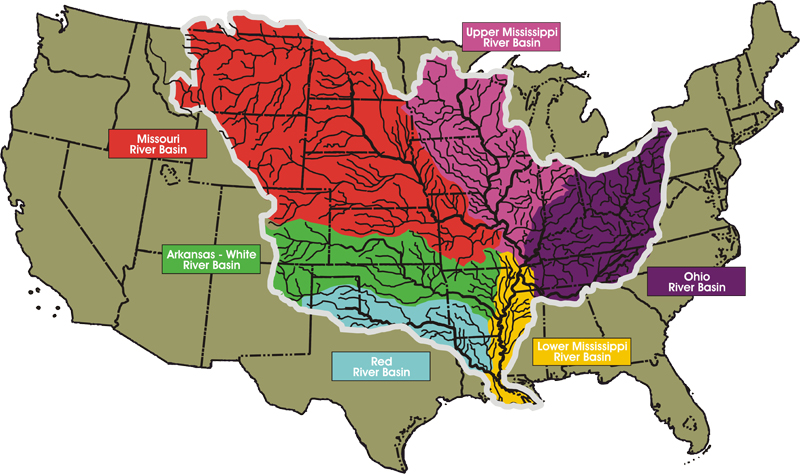
Along its winding route, nitrogen, which converts to nitrate in water, presents two serious problems. It threatens the health of those who drink it at the tap, and when it reaches the ocean, it hyper-charges the growth of algae and aquatic bacteria, which use up most of the oxygen in the water, leaving it uninhabitable by many other sea creatures. This past summer, the Gulf of Mexico had its largest ever “dead zone”—and the largest of several hundred in the world.
After speaking with a farm consultant about how to stanch her contribution to it, Cleverley met with her tenant. “I told him I wanted him to quit tilling and plant a cover crop this fall”—whether cereal rye, clover or alfalfa, it would soak up excess nitrogen come spring. “He wasn’t too receptive,” Cleverley says, dryly. “He didn’t see the connection with downstream water quality.” Moreover, the chemical company that advised her tenant—and sold him fertilizers and seeds—had warned him that cover crops might reduce his corn and soybean yields, at least at first.
Cleverly wasn’t unsympathetic: She knew that change comes hard to farmers. But she also knew that sowing an alternate crop would eventually pay off with improved soils and higher yields. And so she gave her tenant an ultimatum: Plant a cover crop this fall, or she’d find a farmer who would.
Bill Stowe, general manager of Des Moines Water Works, stands by the Raccoon River, a major source of the city’s drinking water. To make it safe, the Water Works have to remove nitrates that come from farms upstream.
PHOTOGRAPH BY DENNIS CHAMBERLIN, FERN
TOO MUCH OF A GOOD THING
Iowa has some of the richest farmland on the planet; an acre in Cleverley’s region can sell for upwards of $10,000. The state produces more corn than any other in the nation, and its soybean yields are second only to Illinois.
But all this production—abetted by steady applications of nitrogen fertilizer— has taken a serious toll. More than two hundred of Iowa’s community water systems struggle with high nitrate levels, periodically issuing “Do Not Drink” orders. The state is the second-largest contributor of nitrates to the Gulf in the Mississippi River Basin.
The good news is that researchers have a pretty good handle on how to solve Iowa’s water problem. In 2014 the state released a Nutrient Reduction Strategy that calls for slashing nitrate runoff by 41 percent. The plan lists a suite of tools that farmers can use to hit this mark, from applying fertilizer more sparingly—crops take up, on average, only half the nitrogen that’s applied to fields—to planting cover crops, to allowing strips of farmland to revert to unfertilized prairie.
The bad news: These recommended practices are voluntary, and relatively few of Iowa’s 88,000 farmers do them. Many, like Cleverley’s tenant, just don’t see their personal connection to the problem—and that leaves it for others to solve.
Phosphates running off Ohio farm fields help trigger algae blooms in Lake Erie, which has impacted the water supply of Toledo.
PHOTOGRAPH BY PETER ESSICK, NATIONAL GEOGRAPHIC CREATIVE
SOMEONE’S GOT TO PAY
The U.S. Environmental Protection Agency requires utilities to deliver tap water with no more than 10 milligrams of nitrates per liter. Water above this limit can, in infants, inhibit the blood’s capacity to carry oxygen, causing the potentially fatal “blue baby syndrome.” Some studies have linked high nitrate levels with birth defects and, in adults, various cancersand thyroid problems.
Nationwide, utilities spent $4.8 billion to remove nitrates from public drinking water supplies in 2011, the last year for which data are available. The money goes toward energy- and chemical-intensive filtration systems, or toward drilling new wells into cleaner supplies, or toward pumping and blending water from different sources.
“We have a responsibility to provide safe water,” Bill Stowe, general manager of the Des Moines Water Works, says in his sunlit conference room. “High nitrates are a public health risk whether they are consumed by a six-month-old or a 66-year old.” Most consumers don’t care how those nitrates are removed, so long as their water bills don’t rise. But it is far cheaper, on a per pound basis, to keep nitrates from water upstream—on farms, that is—than it is for utilities to remove them downstream.
Stowe may understand these economics better than any utility operator in the nation. Between 1995 and 2014, nitrate concentrations at his utility’s intakes on the Raccoon River exceeded the federal drinking-water standard on at least 1,635 days, or 24 percent of the time. In 2015 the utility spent $1.5 million to strip nitrates from the water, and it was also facing a roughly $15 million bill to revamp the denitrification equipment. “It’s basically been run into the ground with overuse,” Stowe says
Fed up, Stowe in 2015 sued those he considered responsible for tainting his water. He targeted three upstream drainage districts, representing more than two thousand farmers, and claimed that perforated pipes underlying their fields, which drain excess rain and snowmelt into ditches and creeks, constitute “point sources” of pollution. As such, he argued, those pipes, known as tiles, should be regulated under the federal Clean Water Act, just like factories spewing chemicals into rivers. (Historically, agriculture has been considered a “nonpoint” source of pollution that is exempt from the Clean Water Act.)
Stowe’s lawsuit was a big deal, on many levels. Drinking water utilities tend to be conservative: They avoid engaging in cutting-edge environmental, public policy, or legal issues. Now, not only was Stowe flamboyantly taking an activist stance, he was also challenging the supremacy of production agriculture in a state widely considered to be controlled by that industry. As former governor Terry Branstand said, shortly after the suit was filed, “Des Moines has declared war on rural Iowa.”
That’s because farmers rely so heavily on fertilizer to boost yield and profits. It’s cheap insurance for expensive seed, and billion-dollar industries have formed around its unbridled use—from fertilizer manufacturers to equipment makers and ag consultants. Stowe’s lawsuit threatened all of that, but it turned out the corn and soybean industry, which poured money into a defense fund, needn’t have worried. This past March, a federal judge dismissed the suit on the grounds that drainage districts have immunity from lawsuits seeking monetary damages. The question of who should be responsible for keeping agricultural pollutants from drinking water remains open
AN UNCOVERED STATE
Just two hours east of Des Moines, the Cedar River provides drinking water to about 130,000 residents of Cedar Rapids. Nitrate levels in the Cedar and its tributaries often rise above federal limits, just like levels in the Raccoon, but the city solves its problem by blending high-nitrate river water with lower-nitrate water from wells—at least for now.
Climate change is pelting the Midwest with more frequent and intense rainstorms, which wash nutrients from fields into source water. After a 5-inch (13-centimeter) rain in June of 2014, nitrate loading at a study site in the Cedar Rapids watershed shot from an average of 45 tons per day to more than 1,000. By the end of the century, scientists predict that climate change will increase the amount of nitrogen flowing into the Gulf by 24 percent, and that’s not even counting expected increases in acres planted with crops.
To get a grip on the nutrients flowing from fields today, a consortium of local government, industry, and civil society groups has teamed up, as the Middle Cedar Partnership Project, to support farmers willing to try some of the practices laid out in the state’s nutrient reduction strategy. Nick Meier, a former seed dealer who farms roughly a thousand acres about 45 miles upstream from Cedar Rapids, is one of the project’s star ambassadors.
“I feel strongly about conservation,” says Meier, who quit plowing his hilly fields decades ago to control soil erosion. But in the fall of 2014, he took a more radical step and filled his planter with the seeds of cereal rye, a cover crop for which he has yet to find a market. Asked what drove him to this extra labor and hassle, Meier is unequivocal: “I didn’t want to be regulated by the government.” Better to voluntarily reduce nitrogen pollution, he figured, than to suffer a government crackdown.
Cover crops can reduce nitrogen runoff by 30 percent, but in 2016 Iowa farmers planted them on less than three percent of the state’s cropped land. The state strategy aims for more than half. According to one analysis, 60 percent of Iowa farmers quit growing cover crops after government aid—usually $25 an acre for just one year—ends. “There is no proven economic benefit [to landowners] for taking nitrates out of the water,” says Dean Stock, a farmer and elected supervisor in Sac County, which was targeted by Bill Stowe’s suit.
In fact, cover crops have been shown to reduce the need for fertilizer. And after first dampening corn yields, as Cleverley’s tenant feared, they eventually increase yields. All that provides economic benefits to the farmer. But cover crops can be tricky to implement and manage. For example, as spring rains get more intense, farmers have a shorter window to terminate a cover crop—by killing it with an herbicide or crushing it with a roller—in time to plant their cash crop.
“The learning curve for these in-field practices can be steep,” acknowledges Nick Ohde, of Practical Farmers of Iowa, which promotes and teaches cover cropping. “If you’re making money as is, then change is problematic. You’re not going to see any benefits if these practices aren’t executed properly.”
THE POWER OF THE PRAIRIE
There are plenty of alternatives to cover-cropping, however. On a sunny summer morning, Meier drives his all-terrain vehicle past a blue-green field of bushy soybean plants and parks atop a mowed rectangle. Right under our feet, he explains, a six-foot-deep bunker stuffed with woodchips is filtering runoff from a 60-acre field underlain with drainage pipes.
Microbes in the woodchips reduce the water’s nitrate concentration by 43 percent, converting it to inert nitrogen gas, the stuff of the air around us. Meier seems delighted with his denitrifying bioreactor, as the gizmo is called: It functions properly, it robs him of very little cultivatable space, and it was funded by a state environmental program.
Keen to show off another tool promoted by the Middle Cedar Partnership Project, Meier hops back onto the Gator, zips across a county road and past a field of eye-high corn. “This is a saturated buffer,” he says, gesturing toward a 70-foot wide strip of native grasses and wildflowers that hugs a 1,200-foot stretch of Miller Creek. As tiles under the corn field collect water, then distribute this flow into the buffer, the prairie plants’ deep and extensive roots consume up to half the nitrates in it, releasing cleaner water to the creek. A saturated buffer costs about a third of a bioreactor, and it provides habitat for pollinators and other creatures.
Elsewhere in the state, a smattering of farmers are trying other techniques for capturing nitrate—collecting it in engineered wetlands on their soggier fields, for example, or in silted-in oxbow river bends excavated to hold more water. But Iowa State researchers say the single best thing that farmers could do to improve Iowa’s water quality is to plant prairie grasses on ten percent of their land, in buffers like Meier’s or in strips across the fields.
The problem is that very few farmers volunteer to retire cropland—not when grain prices are high, and not when grain prices are low. As Stowe says, “There’s a lot of talk about volunteerism and conservation practices. But in the real world, the play is always for greater productivity and greater profit.”
Unfortunately, says Anne Weir Schechinger, a senior economics analyst for the Environmental Working Group, “It’s the farmers polluting the most who are the least likely to adopt those methods.” Most farmers, if they adopt a conservation tool at all, opt for one that’s least disruptive to their practice: tweaking the timing and application rate of fertilizer. That cuts nitrate loss, at best, by just 10 percent.
Two cows graze on an increasingly rare bit of pasture in Iowa. One of the most effective solutions to agricultural pollution would be to return a fraction of the land now planted with corn and soybeans to pasture and prairie.
PHOTOGRAPH BY DESIGN PICS INC, NATIONAL GEOGRAPHIC CREATIVE
EXCEPTIONAL FARMERS
The various conservation practices “do work,” says Art Cullen, who won a Pulitzer Prize in 2017 for his fierce editorializing against industrial agriculture in The Storm Lake Times, published about a hundred miles northwest of Des Moines. “But the Raccoon River is imperiled, and a bioreactor here and a wetland there is just a drop in the bucket. It’s trivial compared to what’s needed. We’ve been subsidizing conservation since the Dust Bowl, and water quality is only getting worse.”
When it comes to polluting the air and the water, agriculture has, to some extent, gotten a pass in this country. No one wants to stick it to a farmer. In the current political climate, there seems little prospect of increased government regulation of nutrient runoff—yet voluntary measures clearly haven’t cut it so far. If nothing else, the Des Moines Water Works suit has energized public discussion of the question: Who will pay to keep nitrates out of our rivers?
The Iowa Farm Bureau, for its part, insists farmers are stepping up; they just need more time. “The problem was a century in the making,” says the bureau’s Laurie Johns. “Farmers need more time to adopt these strategies, they need more incentives and more knowledge.”
In November, the Iowa Department of Agriculture implemented a small policy fix, promoted by Practical Farmers of Iowa and others: It now offers a $5 per acre rebate on crop insurance to farmers who plant new acres with cover crops, which have been shown to reduce insurance claims. Other groups suggest tying federal farm subsidies to measurable nitrate reductions. Bill Stowe—aligned with some small-government groups—insists farmers alone should shoulder nitrate-reduction costs. “Iowa producers are already getting $1 billion a year from the USDA,” he says in a tone of outrage.
Market pressures could help. Roughly half of Iowa’s corn and 98 percent of its soybeans feed livestock, much of which is consumed in China. (Most of the rest of Iowa’s corn feeds ethanol plants.) Large companies along that food chain have lately started trying to influence how their raw ingredients are grown.
For example, Smithfield Foods, in partnership with the Environmental Defense Fund, is seeking to source more of its pigs’ corn and soybeans from geographic areas in Iowa—not individual farms—that have shown improvement in reducing nutrient runoff. “These companies want brand-level recognition for their efforts,” Suzy Friedman, EDF’s senior director of agricultural sustainability, says. “They want to say that [they] are good corporate stewards.”
But figuring out the best way to support farmers as land stewards is a complicated proposition. Sixty percent of Iowa farmland is owned by absentee landlords and rented on one-year contracts, which leaves tenants with little incentive to invest in the land’s long-term health. Thankfully, there are a handful of land owners brave enough to shoulder some risk for the greater good.
After Ione Cleverley presented her tenant with a cover-crop ultimatum, this past July, their relationship grew tense. But together they attended several field demonstrations and information sessions on cover cropping. “He still rejects those practices,” Cleverley reports, “but I’m more convinced than ever that it’s the way to go. If you own land, it’s your responsibility to take the best care of it.”
Despite his skepticism, Cleverley’s tenant did, eventually, agree to try a cover crop, but by then it was too late to apply for funding from the USDA. And so Cleverly decided to kick in half the cost of the cereal rye and radish seed herself.
“We’re starting slow, just on the bean ground this year,” she says. “I really don’t want this to fail.”
Solar-powered Stella Lux family car generates more energy than it uses
Published Date : December 15, 2017
Most of the super efficient green cars on the market aren’t really designed for regular folks. In fact, some of the vehicles with the highest fuel economy are only made to hold one person: the driver. Those contraptions can move right over to the slow lane, though, because a Dutch team of solar engineering students has developed a family-friendly green car that actually generates more energy than it uses.
Meet Stella Lux, the solar-powered car that seats up to four, created by students at Solar Team Eindhoven. Stella Lux doesn’t look like any family car currently on the market. It’s a natural born lowrider, with skinny tires and a peculiar shape that resembles a catamaran. All of these features aid in the vehicle’s fuel efficiency, making it lighter and more aerodynamic than the average grocery getter. The Lux edition is an upgrade to a previous concept car, simply known as Stella, which we covered upon its release in 2013. The first generation Stella could travel up to 500 miles on a single charge, while the Lux has reached 621 miles in sunny day tests in the Netherlands.
In the same year it was launched, the original Stella won the World Solar Challenge, a biennial 1,875-mile race across the Australian outback. The updated 2015 model Stella will take on that same race later this year. Stella Lux will compete in the Cruiser Class of family cars, which emphasizes practicality and user-friendly qualities, rather than pure speed. That said, the student engineering team is hoping to see improvements to speed over the previous Stella’s performance. The race begins October 18, so Stella Lux has a little time left to prepare for the big day.
Retractable solar sails to help power “world’s most eco-friendly cruise ship”
Published Date : December 15, 2017
Peace Boat has been sailing the world since 1983, laboring to build a culture of peace through education – and they just unveiled a new Ecoship that could take to the seas in 2020. A closed-loop water system, whale-inspired hydrodynamic hull, and retractable solar sails are among the features that make this vessel, according to Oliver Design, the “world’s most eco-friendly cruise ship.”
Cruise ships aren’t typically known for sustainability. The average ship generates around 80,000 liters of sewage every day, and with outdated filter systems, minimally-treated sewage is often dumped into the water. Japan-based Peace Boat set out to create an alternative: an energy efficient, nature-inspired vessel that obtains some power from 10 retractable wind generators and 10 retractable photovoltaic sails. Their goal is zero discharge and almost zero waste operations with a closed waste loop and closed water loop.
Spain-based Oliver Design came up with plans for the 60,000 metric ton ocean liner that can fit 2,000 passengers. A plant kingdom aboard will span five decks, absorbing surplus water and capturing carbon dioxide, with organic onboard waste serving as compost. Vertical farms will produce vegetables for voyagers to eat.
The Ecoship should see an around 40 percent carbon dioxide reduction compared with a typical cruise ship built before 2000, and around 30 percent against current designs. There will be kinetic floors and 750 kilowatts of solar power generation on the vessel. The ship’s hybrid engine can also obtain power from liquefied natural gas or diesel. The liner should see a 20 percent cut of propulsion energy and 50 percent cuts on electricity load, according to Ecoship.
The vessel will host Peace Boat’s educational journeys, but will also serve as a floating laboratory committed to research on the ocean, climate, and green technologies. It’s set to be delivered in time for the 2020 Olympic Games in Tokyo.
‘Happening: A Clean Energy Revolution’ follows filmmaker Jamie Redford on a colorful personal journey to discover the leading edge of clean energy across the U.S. Unlikely entrepreneurs in communities from Georgetown, Tex. to Buffalo, NY reveal pioneering clean energy solutions that are creating jobs, turning profits and making communities stronger and healthier. Reaching beyond a story of technology and innovation, his discoveries underscore issues of human resilience, social justice, embracing the future and finding hope for humanity’s survival. Don’t miss the premiere, December 11 on HBO.
Why James Dyson Could Steal Elon Musk’s Electric Car Throne
Published Date : December 15, 2017
Sir James Dyson wants to change the world with a “radically different” electric car in 2020. A complete departure from the Teslas and Leafs of the world. Something revolutionary, he says. If I were Musk, I would be wary. If there’s one person who can deliver something that can destroy the exo-martian’s innovation halo, it’s the British mad genius.
Just six months after announcing a $1.3 billion investment in the development of new battery technology, Dyson declared his intention to make a “radically different” electric car this week. “[W]e finally have the opportunity to bring all our technologies together into a single product,” he wrote in an email to the company that was later made public. “I wanted you to hear it directly from me: Dyson has begun work on a battery electric vehicle, due to be launched by 2020.” According to Bloomberg, Dyson’s car will use the solid-state batteries developed by Sakti3, a company he bought in 2015, instead of the traditional Lithium-Ion batteries that Musk uses in Tesla (the same kind of power storage used in your laptop).
Some may laugh at this idea. “Sure he is the inventor of—arguably—the best vacuum cleaner and hand dryers,” you might say, “but coming up with a radically different electric car that will surprise the world and the auto industry is something completely different.” Well, yes. Maybe. But is that as laughable as believing the man who funded that clusterf–ck of UX atrocities and abysmal customer service known as Paypal could change the industry with Tesla? Musk had no track record on building rockets or electric vehicles when he decided to get into those businesses. Dyson, on the other hand, has a track record as an engineering genius, which has served him to revolutionize languishing markets based on clever engineering alone. And now he also has the deep experience in batteries, electric motors, and fluid dynamics crucial to create the “radically different” design that may eclipse Tesla’s alleged leadership.
“But how is he going to pay for it?,” you ask, “designing, manufacturing, and selling a car costs a lot of money.”
True. Musk initially invested $6.3 million in Tesla from his PayPal booty. After releasing the $109,000 Roadster in 2008—handcrafted from outsourced parts in a Menlo Park, California, warehouse—the U.S. government agreed to loan the company $465 million to mass-manufacture a four-door luxury sedan in 2009 in a factory that Tesla didn’t have at the time. Musk then managed to buy a plant from Toyota for peanuts: $48 million. The rest is history.
Dyson’s bet, meanwhile? A whooping $2 billion. Dyson claims that he will spend that amount in making his vision a reality. In fact, he and a 400-person engineering force have been working on it since 2015. And he’s recruiting even more staff, he says. Even if you adjust for inflation, the size of Dyson’s investment is nothing but impressive compared to Musk’s humble beginnings and his struggle in changing the car market as a newcomer.
And that’s exactly what could be Dyson’s biggest advantage against Tesla. In addition to having a huge pile of cash and the engineering savvy, the British inventor doesn’t have to fight the war that Musk already fought and won. Tesla changed the car battlefield forever. Musk showed that a newbie with no automotive experience can challenge the old dinosaurs with cool design, technology, and marketing from scratch. And, more importantly, he also changed the public perception on electric cars—too expensive, too limited—for the very same reasons.
As a result, people now accept electric automobiles. They line up to buy them. Many are even willing to pay a premium. Dyson will find a clear launch pad on a clear day if he can deliver on his promise, all thanks to Musk’s sweat and tears.
This Bio-Battery Could Charge Your Phone With Your Sweaty Underpants
Published Date : December 15, 2017
Scientists have created a new type of stretchable fabric-based battery powered by bacteria that eats your sweat–or any kind of bacteria-nourishing fluid–to produce electricity. It’s easy to imagine the long-term potential in the experimental prototype–one day, your clothes may charge your smartphone while you trot around the city.
For now, however, the researchers behind the battery are “targeting low-power Internet-of-Things applications,” as Binghamton University Electrical and Computer Science Assistant Professor Seokheun Choi told me over email. “Their throughput,” he said, “is not enough to power those smartphones yet.” The new battery is an evolution of a previous invention that used bacteria and paper, also developed by Choi’s team. Those paper batteries were capable of powering a LED light for 20 minutes on a couple of drops of dirty water, and were designed to be disposable.
This new biological power source, however, is designed to last. Instead of using paper as a substrate, it is embedded in an elastic fabric that can be stretched and twisted. In fact, according to Choi, the technology “exhibits stable electricity-generating capability when tested under repeated stretching and twisting cycles,” which makes it ideal to be embedded in any kind of clothing, including sports gear.Choi is hopeful that their bio-batteries can make a difference in today’s power-hungry society, arguing that bacteria is everywhere in incredible quantities. “If we consider that humans possess more bacterial cells than human cells in their bodies,” he says in the release announcing the invention, “the direct use of bacterial cells as a power resource interdependently with the human body is conceivable for wearable electronics.”
The technology could have other applications, according to Choi. It can be used to embed self-powered sensors in any type of surface, no matter how complex it is, “like moving body parts or organs. We considered a flexible, stretchable, miniaturized bio-battery as a truly useful energy technology because of their sustainable, renewable and eco-friendly capabilities.”It remains to be seen if these bacteria-based power sources could find a path to industrial manufacturing any time soon. Many other promising battery technologies have had a tough time coming to market due to immense economical and technical constraints. Still, I hope this one works out. The idea of charging my phone using my sweaty underpants as a source of infinite energy sounds absolutely perfect.
SunPower’s new solar shingles are 15% more efficient than conventional photovoltaics
Published Date : December 14, 2017
SunPower’s stock jumped 12% on Monday partially because an analyst is highly impressed with the sales opportunity of the P Series solar panel.
The solar panel raises efficiency partially through the use of a weird $9 trick – shingling solar cells – to maximize direct sunlight on silicon. The new panel could be built in the world’s largest capacity solar panel factory.
Some of the patents for the panel came from Cogenra, based in Fremont, CA. The result of these patents was a 15% increase in panel level efficiency with improved reliability and shade tolerance. SunPower acquired Congenra in 2015, and its this technology that is now being incorporated into its SunPower P Series (spec page pdf). SunPower launched the commercial market focused P Series in 2015.
Analysts are highly interested in the sales potential of the product because of its pricing advantages by using lower efficiency/cheaper multi-crystalline solar cells on the market. SunPower has had profitability challenges in years past with its ultra high-efficiency, high cost product. P-Series panels should be available in large quantities at around 75¢/W – while the higher efficiency product SunPower is known for sells for well above $1/W.
Even with the lower efficiency solar cells based on multi-silicon, the product still breaks 17% panel efficiency. First, by shingling the solar cell we eliminate the spaces between the solar cells. In an article written a few weeks ago wrote about a manufacturer increasing the number of cells in the panel by eight to cover nearly 100% of the front side of the solar panel for only $9. They suggested solar panel efficiency increases ranging from 5-17%, depending on the type of solar cell used.
The second technique to push the efficiency is by moving ribbons and solder bands from the front of the solar panel to the back. This technique was made use of in the recent offering that we covered from LG in their Neon R Black product. SunPower has a history of doing this with their other panel lines as well.
Analysts are also pleased with the factory level cost structure of the P-Series panel as manufacturing lines can be built at a capital cost of $0.10 per watt, compared to the high-end X-Series which is as much as $0.65 per watt. Investors noted it was intimidating to build new SunPower factories at a cost of $185 million to $230 million, as specialist factories by companies like SunPower only last about 10 years before becoming obsolete.
A second recent investment made by SunPower was in a monoPERC solar cell manufacturing facility that builds 1.2GW of cells per year. SunPower hopes to introduce a second version of the P Series, called the P-19, that will use these higher efficiency solar cells to move from 17 to 19% efficiencies.
US-based Solaria recently settled a lawsuit with megaplayer GCL Poly Energy. Solaria also sued two other Chinese companies for the same reason. GCL and Solaria agreed on geographic distribution rights between the companies and possibly further involvement pushing sales and defending the patents of shingle cell products.
Recycling Chaos In U.S. As China Bans 'Foreign Waste'
Published Date : December 14, 2017
China’s ban means recycling is piling up at Rogue Waste System in southern Oregon. Employees Scott Fowler, Laura Leebrick and Garry Penning say their only option for now is to send it to a landfill.
Like many Portland residents, Satish and Arlene Palshikar are serious recyclers. Their house is coated with recycled bluish-white paint. They recycle their rainwater, compost their food waste and carefully separate the paper and plastic they toss out. But recently, after loading up their Prius and driving to a sorting facility, they got a shock.
“The fellow said we don’t take plastic anymore,” Satish says. “It should go in the trash.”
The facility had been shipping its plastic to China, but suddenly that was no longer possible.
Portland residents Satish and Arlene Palshikar want to see the U.S. become less dependent on China for recycling.
Cassandra Profita/OPB/EarthFix
The U.S. exports about one-third of its recycling, and nearly half goes to China. For decades, China has used recyclables from around the world to supply its manufacturing boom. But this summer it declared that this “foreign waste” includes too many other nonrecyclable materials that are “dirty,” even “hazardous.” In a filing with the World Trade Organization the country listed 24 kinds of solid wastes it would ban “to protect China’s environmental interests and people’s health.”
The complete ban takes effect Jan. 1, but already some Chinese importers have not had their licenses renewed. That is leaving U.S. recycling companies scrambling to adapt.
“It has no value … It’s garbage.”
Rogue Waste Systems in southern Oregon collects recycling from curbside bins, and manager Scott Fowler says there are always nonrecyclables mixed in. As mounds of goods are compressed into 1-ton bales, he points out some: a roll of linoleum, gas cans, a briefcase, a surprising number of knitted sweaters. Plus, there are the frozen food cartons and plastic bags that many people think are recyclable but are not.
For decades, China has sorted through all this and used the recycled goods to propel its manufacturing boom. Now it no longer wants to, so the materials sits here with no place to go.
“It just keeps coming and coming and coming,” says Rogue employee Laura Leebrick. In the warehouse, she is dwarfed by stacks of orphaned recycling bales. Outside, employee parking spaces have been taken over by compressed cubes of sour cream containers, broken wine bottles and junk mail.
And what are recyclables with nowhere to go?
“Right now, by definition, that material out there is garbage,” she says. “It has no value. There is no demand for it in the marketplace. It’s garbage.”
For now, Rogue Waste says it has no choice but to take all of this recycling to the local landfill. More than a dozen Oregon companies have asked regulators whether they can send recyclable materials to landfills, and that number may grow if they can’t find someplace else that wants them.
At Pioneer Recycling in Portland, owner Steve Frank is shopping for new buyers outside of China.
“I’ve personally moved material to different countries in an effort to keep material flowing,” he says.
Without Chinese buyers, Frank says U.S. recycling companies are playing a game of musical chairs, and the music stops when China’s ban on waste imports fully kicks in.
“The rest of the world cannot make up that gap,” he said. “That’s where we have what I call a bit of chaos going on.”
Adina Adler, a senior director with the Institute of Scrap Recycling Industries, says China’s new standards are nearly impossible to meet. The group is trying to persuade China to walk back its demanding target for how clean our recycling exports need to be.But Adler doesn’t think China’s decision is all bad.
“What China’s move is doing is probably ushering in a new era of recycling,” she says.
Bulk Handling Systems is betting that robots can be the future of recycling. At its research facility, bits of waste pass by on a conveyor belt as robotic arms poke down, sucking up plastic bags and water bottles then dropping them into bins.
YouTube
CEO Steve Miller says the robot uses cameras and artificial intelligence to separate recycling from trash “in the same way that a person would do it,” but faster and more accurately.
“It actually moves at a rate of 80 picks per minute,” he says. “A person might only get 30 picks per minute.”
Miller believes technology like this could let the U.S. make its recycling clean enough for China. But the robots are expensive, and few companies have them.
For now, the best bet may come back to the curbside bin.
Recycling companies are considering changing the rules for what’s allowed in them or adding an additional bin for paper only to help streamline the sorting process. Steve Frank says Pioneer Recycling is even looking into adding cameras to collection trucks to catch people putting trash in their recycling bins.
Inside a farm hidden under the streets of Paris in an abandoned parking garage
Published Date : December 8, 2017
La Caverne is a unique urban farm that grows mushrooms, herbs and greens beneath the streets of Paris. Located in La Chapelle neighborhood in north-central Paris, La Caverne is owned and operated by Cycloponics, a Paris-based indoor farming start-up that has focused on growing sustainable, local food and boosting local economies. “We want to promote a new model of urban agriculture: at the same productive and virtuous,” said Cycloponics in a statement. “We also aim at creating new ways of producing, at restoring the profession of farmer, often poorly understood, at creating local jobs…, and eventually offer to the urban citizens a local and tasty production.”
La Caverne, a 37,700-square-foot underground farm, is located in a previously abandoned parking garage below a 300-unit affordable housing complex. The ten-member team works together to maintain hydroponics systems used to grow vegetables, ensure the optimum growth of the farm’s mushroom crop, and sell these products at market. The farm’s oyster, shiitake, and oyster mushrooms are grown on composted manure bricks while the vegetables thrive without soil. The farmers at La Caverne also harvest chicory, a root often used in coffee, which does not need sunlight to grow. The team aims to ultimately produce 54 tons of vegetables and mushrooms per year.
La Caverne’s unusual location is a reflection of Cycloponics’ philosophy, which emphasizes reusing and conserving resources. “The idea is to cultivate, within the same space, different species of vegetables that interact in a positive way,” said Cycloponics in a statement. “For instance: the CO2 generated by the mushrooms is used by the microgreens to grow up, the natural materials are composted for our cultivations… Those methods are widely inspired by permaculture!” The company hopes to expand its distribution network through its own fleet electric bicycles and vehicles, for which it is currently in need of funding. As Cycloponics’ grows, it may inspire similar farmers to dig deep, get underground, and grow only the best.
The teenager inventor who could change the way the world fights climate change
Published Date : December 8, 2017
Ethan Novek speaks fast and insists on giving you every detail, even in response to simple questions. It can be overwhelming. But it’s worth sticking with him. Novek started winning science fairs in middle school and was awarded his first patent at 16. Now, at 18, he has his own company, Innovator Energy, and is working on a technology he believes could help dial down global warming.
Despite the growing use of renewable energy, more than 80% of the world’s energy still comes from burning fossil fuels and will continue to do so for decades to come; we simply won’t be able to replace it with renewable energy fast enough. At the same time, under the Paris climate agreement, the world needs to cut emissions fast, in order to reach net-zero emissions by about 2060. If it works, Novek’s technology would allow us to keep burning fossil fuels, without the climate-changing emissions, until we’ve found more sustainable options. The process would still produce carbon dioxide, but the greenhouse gas would be either buried deep in the ground or converted into a useful product.
It’s the sort of world-changing technology that you might expect to come from a well-funded government lab, a startup with deep-pocketed investors, or one of the major players in the billion-dollar energy sector. There’s obviously no guarantee some kid from Connecticut will save the world. But there’s a good reason to pay attention to this particular teen.
Novek approaches all problems starting from first principles. It’s the way we’re all taught to solve problems in school using lessons from basic science, which most adults forget as they get older. But those that do remember can use the method to great success; it’s more or less how Elon Musk approaches problems.
It’s helped Novek identify—correctly—the most valuable link in the carbon-capture technology chain. And his technology, validated through work done at Yale University, attacks that link’s weaknesses in ways many well-established players in the field, including the world’s largest oil companies, haven’t done before.
An early start
I met Novek in Greenwich, Connecticut, on a warm day in September. We’d spoken on the phone before, so I was prepared for how much he loves to hold court. The only difference between Novek on the phone and Novek in person is that, in real life, I could see that he almost never stops smiling.
Novek was born to Keith and Bonnie in a town just outside Boston, Massachusetts. Because of his dad’s work as a consultant, the Noveks moved seven times before Ethan turned eight. Finally, they settled in Greenwich, a famously wealthy town in one of the richest counties in the US. It’s full of celebrities and powerful business people, living in large, lavish homes and commuting into New York City when they want.
Keith, Ethan, and Bonnie Novek outside their home in Greenwich, Connecticut.(Quartz/Akshat Rathi)
“Ethan is an ideas guy,” says his dad, a partner at the global consultancy firm EY. “He’s always carrying his ‘inventions book.’” Ethan got his start in sixth grade, winning a local science-convention competition where the restrictions were to build something that cost less than $25 and could fit on a table. His winning device could capture wind energy released by air vents and convert it into electricity. He called it “ventricity” and it got him featured on the convention’s magazine cover.
“I’ve always been fascinated by energy,” says Novek. “There’s so much of it around us, and my early inventions were attempts to find new ways to capture them.” (He calls them inventions, but most only exist as novel ideas.)
Novek’s first patentable idea came to him while goofing off at the beach in 2014. He was digging a hole in the sand, far from where the waves were crashing. Over time, water started seeping out of the sand and filling up the hole. As the tide crept up, the water in the hole rose. What if, he thought, there was a way to capture the natural energy in these rising waters?
Capturing the energy of ocean tides is not a new idea. The world’s first tidal power plant was built in France in 1966. The concept is simple: Build a barrage to dam up ocean water, creating an estuary. Along the barrage, place turbines that turn as water from the sea flows into the estuary at high tide and when it flows back out into the sea at low tide. Tidal power hasn’t caught on in a meaningful way, though, because it’s expensive to maintain underwater equipment and the turbines are dangerous for fish and other ocean life.
On the beach that day, Novek thought he had a solution. If the water levels in the sand pit were rising and falling at the same pace as the waters in the ocean tide, then theoretically, a turbine placed in the pit could capture the energy of the tide with no impact on fish, because none would be able to pass the through the sieve of sand. Novek filed for and was a granted a patent for the idea.
Soon after, however, Novek realized that because tidal power is so low density, he would’ve had to build something quite large to show his idea would work. And after recalculating, he estimated that even with a large system, there were only a few parts of the world where the natural tides rise and fall enough to generate enough energy to justify the expense of construction and operation.
He didn’t despair. “Failure is a good thing,” he says. “It’s the best way to learn.”
Good teachers matter
Standing on the balcony of their large home overlooking a multi-acre garden with a private pond, Bonnie Novek explains how Andrew Bramante’s science-research class at Greenwich High School may have saved the Novek family home.
Before he was accepted into Bramante’s class, Ethan had been doing all sorts of experiments at home. “I had assumed that everything he was doing was ok, but it was good to know he would have a science teacher looking out for him,” says Bonnie. “I was happy that he wasn’t going to blow up our house.”
Ethan Novek and Andrew Bramante in the research labs of Greenwich High School. (Quartz/Akshat Rathi)
I visited Bramante’s student research lab at Greenwich High, and if I hadn’t known I was in a high school, I would’ve thought it was a chemistry lab in a top university from the 1990s. Though old, the scientific instruments on offer were more sophisticated than I had ever seen in any high school. Before becoming a teacher, Bramante trained as a chemist and worked for a maker of scientific instruments. There, he became familiar with not just how to use different types of machines but also how the electronics make them work. He now uses that knowledge to repair old, discarded scientific instruments donated to him by pharmaceutical companies and university labs.
The students in Bramante’s class have access to the lab. Getting in requires thinking outside the box. “To get in my class, you have to come up with your own research idea,” says Bramante. “If you give the kid the idea, they kinda sputter out. So it has to be from within.” (His work is set to be featured in a book called “The Class” by former CBS producer Heather Won Tesoriero.)
Once you’re in, you can nerd out as much as you want. “Mr. B gave me a lot of autonomy,” Novek says. “He was there opening the lab for me in the evenings, on weekends, and even during vacations.” Novek was working in Bramante’s lab when he made an accidental scientific discovery that would change his life, and could change ours.
Chasing carbon
When fossil fuels are burned, the exhaust contains a mixture of gases: nitrogen and oxygen, both benign, and carbon dioxide, a dangerous greenhouse gas. To stop that CO2 from entering the atmosphere, conventional carbon-capture technology separates out the exhaust gasses through a process called reversible absorption.
It involves using a substance—usually an amine, an expensive derivative of ammonia—that selectively reacts with only CO2, and other non-greenhouse gases escape. The substance is then moved to a chamber where it is heated, which breaks the bond with CO2 and releases a pure stream of the greenhouse gas that can then be converted into a useful product or buried underground. The absorbing chemical is then put through a new cycle to capture more CO2 and on goes the loop.
This sort of carbon-capture technology has been in commercial use since the 1970s, but it hasn’t been adopted at the scale we need to mitigate climate change, because of four reasons: First, the amines typically used to selectively separate carbon dioxide are expensive. Second, a lot of heat is needed to break the bond between the amines and carbon dioxide, adding additional energy costs. Third, the apparatus in which these reactions are carried out have to be built to high, costly specifications. Finally, environmental groups loathe it because it extends the use of fossil fuels. That’s made for poor public relations. Politicians find it hard to convince people that carbon capture is worth it; even though the technology cuts emissions and can help hit climate goals, at the end there’s no shiny solar panel or wind turbine to show for it.
In his high-school lab, Novek made a discovery that could solve (or at least mitigate) many of these problems. At the time, he was working on something to submit to the prestigious International Science and Engineering Fair (ISEF). He thought he had a killer idea: a new way to cheaply produce urea, one of the world’s most important nitrogen-based fertilizers.
The chemistry to make urea is relatively simple: mix ammonia (NH3) with carbon dioxide (CO2) to get urea (NH2CONH2) and water (H2O). But the chemical reaction only happens under high pressure and at high temperatures, which means it requires a lot of energy. Globally, the production of nitrogen-based fertilizers accounts for slightly more than 1% of all the world’s energy. Any dent to that could have a large impact on the industry’s carbon footprint.
Ethan posing in front of the hood where he made his accidental discovery.(Quartz/Akshat Rathi)
Novek had recently learned a new concept called “salting out” in an advanced chemistry class. He believed he had an idea for a new way to deploy the concept, that would lower the cost of urea production.
In order to study a chemical, you usually need to separate it from the mixtures in which it’s found. Say you’re trying to extract a naturally occurring compound for use in a perfume or cosmetic. Maybe it’s found in the bark of a rare tree. What you’d probably do is put that bark in a solvent, often something as simple as water. After a while, the water-soluble compounds in the bark will seep into the water. But then you’d need to separate those compounds from the water. Distillation is one of the most common methods used to separate compounds; it involves heating the mixture and, because each component of the mixture has a different boiling point, each can be selectively removed from the mixture as temperatures rise.
But in some cases, the compounds are too delicate. In the perfume and cosmetics industries, distillation isn’t always preferred, because the heat causes many of the valuable, sensitive compounds they need to degrade. “Salting out” is an alternative that uses less energy. The charged particles in salt usually like water more than they like whatever water-soluble compounds are in the mixture. As salt is added, the particles break the weak chemical bonds between water and those compounds. Slowly, the compounds starts separating from the mixture.
Novek wanted to see what would happen if he mixed ethanol with ammonium bicarbonate, a salt whose components are ammonia and carbon dioxide. He thought maybe it could break ammonia and carbon dioxide apart and then recombine them, hopefully to produce urea. When he started the experiment, nothing happened. So he heated the mixture to agitate the molecules even more. He was surprised to see a gas bubbling. That didn’t make sense: urea is not a gas.
When he tested the gas, Novek realized it was almost entirely CO2. That’s when it struck him: He could use a version of the system to separate out the CO2 that results from burning fossil fuels, and capture it—at a lower cost lower than what the industry can achieve today. The most energy-intensive step in carbon capture is using heat to break the bond between an amine and carbon dioxide. Novek, in his experiment, had just broken the bond between ammonia and carbon dioxide, without very much energy.
Here’s how Novek imagined a future carbon capture system would work: First, exhaust gases containing carbon dioxide are piped into a mixture of ammonia and water. Ammonia reacts with the CO2 to form a salt, and the remaining inert gases (such as oxygen and nitrogen) escape. Second, a solvent is added to the mixture, and breaks down the salt back into ammonia and CO2. The resulting pure stream of carbon dioxide is captured and piped underground. Third, the solvent-and-ammonia mixture is separated through distillation, and each component then recycled through the process.
Early to university
Each year thousands of students around the world win science fairs. Few, if any, take their ideas any farther. Novek was that exception.
As he developed his urea project, Novek kept coming across research papers with the name of a Yale University professor, Menachem Elimelech. Novek emailed him many times seeking advice, requesting access to advanced equipment, and trying to set up an in-person meeting. But he got no response. Finally, after he won a number of prizes at the 2015 ISEF, Novek sent Elimelech a long email with all the new things he had developed in the year he’d spent in Bramante’s lab. This time, Elimelech replied with a one-line response asking Novek to meet in person.
It changed everything. Elimelech liked Novek’s ideas and invited the 16-year-old to join his lab. The Yale professor recruited other researchers to help Novek. The result of their work was a peer-reviewed study published in the journal Environmental Science & Technology Lettersin July last year. If everything were to work as planned, Novek’s technology could capture carbon dioxide at $10 or so per metric ton, about 85% less than industry standard.
While experts were reviewing the paper, Novek was busy applying to take part in the Carbon X-Prize, a competition aimed at finding the most effective carbon-capture technology with prizes worth $20 million to be given.
Novek’s application made the cut, one of 22 teams to become an X-Prize semi-finalist. Now, Novek would have to show his technology worked outside of the lab. As part of the next round of the Carbon X-Prize competition, he had 12 months to build a pilot plant that could capture 200 kg of carbon dioxide per day from the exhaust gases of a power plant.
After evaluating quotes from three different places, Novek settled on building the pilot at the Southwest Research Institute in San Antonio, Texas. For $250,000, the institute would provide Novek a small team of contract workers, a project manager, and, of course, the equipment needed to test his technology. To pay, Novek used all the money he had won from science fairs, and raised the rest through family and friends.
Struggles of an inventor
I met Novek nine months after he started building the plant. It was September 2017 and I was expecting him to be excited about getting to show off his technology at the X-Prize semi-final in October. But he said he had pulled out.
The X-Prize competition asks teams to not just capture CO2, but also convert it into a valuable product. If Novek were to stand a chance of winning, he would have had to partner with another team working on using CO2 to create products like plastic, chemicals, or concrete. But Novek was singularly focused on capture technology.
It’s a valid position. Remarkably, among the many startups I interviewed for this Quartz series on carbon capture, very few were working on making the capture process cheaper. Most were invested in finding ways to make products from CO2. But in the long run, the world will need to capture as much as 6 billion metric tons of carbon dioxide per year, and realistically, only a tiny fraction of that could be converted to useful products. In other words, cheaper capture is likely to be more valuable to society than any useful products that could be made from CO2. Novek gets that.
After pulling out of the X-Prize, Novek has doubled down on his tech. He’s secured funding from an investor to build another pilot plant that will use actual waste gas from a power plant or chemical factory, and capture 1,000 kg of carbon emissions per day. (Novek wouldn’t say who the investor is because of a confidentiality agreement.) He’s also currently applying for a $3 million grant from the US energy department.
There aren’t that many startups working on reducing the cost of carbon capture. There are also few, if any, teenagers in the business. Novek inhabits an unusual world, where the risk of failure is high and the monetary reward not particularly high. But he is living his dream, and that’s a good thing for the world.
Recently, Novek made the tough decision to defer his place at Yale, where he was accepted to study chemical engineering starting this fall. “I miss the social life,” he says. “But that can wait.”
How planting trees changed lives in a former coal community
Published Date : December 8, 2017
Former miner Graham Knight puts his cup of tea down on the cafe table and looks out through the large glass windows. Trees frame every view; a small herd of cows meander through a copse of silver birch towards a distance lake.
Former miner Graham Knight has experienced first hand the benefits of the scheme. Photograph: David Sillitoe for the Guardian
“It is quite difficult to put into words what’s happened here and the impact it has had on people,” says the 73-year-old. “Perhaps the best way to think about it is that people seem … well, more happy somehow.”
The cafe is in the heart of the first new forest to be created in the UK for 1,000 years, with 8 million new trees stretching over 200 sq miles of rolling Midlands countryside.
Knight, who worked in one of the area’s many coalmines before they were shut in the late 1980s, says the forest project has transformed an area ravaged by the loss of the mines into an increasingly vibrant – and beautiful – place to live.
“Twenty-five years ago all this was an opencast mine,” he says waving his hand towards the distant hills. “Mud and dirt with hardly a tree to be seen. Now just look, people want to live here, they are proud to be from here – it has totally changed how people feel.”
The first tree in the National Forest was planted more than 25 years ago and now much of the land that spans Derbyshire, Leicestershire and Staffordshire is unrecognisable.
John Everitt, the chief executive of the National Forest Company which oversees the project, says the simple act of planting trees has sparked a dizzying list of spin-off benefits, from tourism to a nascent woodland economy; from flood management to thriving wildlife; from improved health and wellbeing to housebuilding and jobs.
“We have embedded trees in and around where people live and made sure they are accessible rather than as a distant thing that they can visit occasionally. And we are seeing the benefits in all sorts of ways – and they are multiplying all the time.”
John Everitt, CEO of the National Forest Company. Photograph: David Sillitoe for the Guardian
Everitt, an ecologist by training who has been heading the project for the past three years, fires off an impressive list of figures to back up his claims: the forest attracts 7.8 million visitors a year, it has brought about 5,000 new jobs with hundreds more in the pipeline, woodland industries from firewood to timber businesses are springing up, craft food and beer businesses are flourishing and thousands of people cycle or walk the hundreds of miles of pathways and trails each year.
But he says some of the most important benefits the area has witnessed are more difficult to quantify.
“People now have a sense of pride in this place and a sense of belonging and wellbeing. Children who were maybe nervous of the outdoors are benefitting from being able to walk or cycle or simply play in the woods.”
As part of the forest project Everitt wants to get a outdoor woodland classroom and a qualified forest school teacher into every primary school to embed what he says is a cultural change in the local community. There are also plans for a woodland festival next summer.
“So far about a quarter of the schools have these in place but soon we want all of them to offer this. Hopefully this will embed what we are doing in the next generation … they will learn to cherish it and appreciate what we have here.”
There is a growing acceptance that trees and access to countryside can benefit not only the economy and environment but also people’s sense of wellbeing and happiness. This weekend, the environment secretary, Michael Gove, said the government was committed to planting 11 million new trees in England and global leaders at the climate conference in Bonn reiterated that trees had a vital role to play in the fight against climate change. Meanwhile, in Somerset last weekend campaigners, scientists and policymakers met at a special tree conference to work out how best this can be achieved.
The scenery at Feanedock wood in the National Forest. Photograph: David Sillitoe for the Guardian
But despite the growing enthusiasm among campaigners and converts, current tree planting rates across the UK have fallen to about 6,000 hectares per year – far below the levels achieved in the 1970s and 1980s which often exceeded 25,000 hectares annually. Woodland cover in the UK lags far behind large parts of Europe. Planting rates are now so low in England that they are barely keeping pace with the amount of woodland being cleared – edging the country closer to a state of deforestation.
John Tucker of the Woodland Trust said he regularly travels the country persuading people to plant more trees, pointing out potential spaces on school grounds, in hedgerows and corners of fields but warned that across the UK “current planting rates are amongst the lowest for 40 years”.
“There is real awareness of the benefits of trees and woods, and enthusiasm from landowners and the public to see much more planting. Government agencies could really help by streamlining approval processes, offering more advice and simplifying grant aid.”
Back in the National Forest, Everitt says they are doing their bit to promote tree planting. Although the wood is not one continuous stretch of trees – there are areas of mature woodland and younger trees mixed with farmland and grassland as well as towns and villages – roadsides and gardens have been planted, new housing developments are shielded and framed by trees and many have new woodland as part of the planning requirements.
Everitt said: “The beauty of this is that we are not planting on land that has other ecological importance, like wetlands or grasslands or indeed the best fertile farmland, but there is still plenty of land to go at here.”
Species of animal not seen in the area for decades – such as the otter and the white hairstreak butterfly – are now taking up residence, and others are expected to return as the forest matures.
Tree planting has also helped flood management, cleaned up rivers and streams by preventing “run-off” from farms; not to mentioned the wider climate benefits of trees capturing carbon from the atmosphere.
As Everitt digs his wellies out of the boot of his car before setting off up a winding track to inspect another stretch of recently planted broadleaf woodland, he says all this has been achieved with about £50m of public money.
“To put that in perspective,” he adds, “it is the same as it would cost to build about a two-mile stretch of your average three lane motorway.”
London’s “Bottletop” Store Recycles 60.000 Bottles for 3D Printed Interior
Published Date : December 8, 2017
A new store called Bottletop is opening on Regent Street in London. It has a 3D printed interior made from 60,000 upcycled plastic bottles.
If you get swept up in the mania of Regent Street, London this winter, then make sure you stop to visit Bottletop. The store has a 3D printed, up-cycled interior.
Bottletop is a company which began as a product collaboration with Mulberry in 2002. The brand creates bags made from, you guessed it, bottletops.
However, they are now opening a flagship store on one of London’s busiest streets. Inside the Regent Street shop, you’ll find a unique interior made from 60,000 up-cycled plastic bottles.
There’s no missing the shop as there is a KUKA 3D printer in the window already, making it rather distinctive. The latest LBR iiwa robot is on display and 3D printers will be whipping up trinkets, such as key rings and bag charms, for customers.
The shop floor is not yet complete and will be produced in segments. “It will morph over time and become a recycled paradise… Not many people know about 3D printing or robotics. If you can show the way that these technologies can be used to actually help reduce waste in construction and in fashion, then it’s a really compelling argument,” Bottletop co-founder Oliver Wayman explains.
Creating a 3D Printed Interior Which Matches the Company Mission
Krause Architects are behind the design for the flagship store interior. But, to turn the design into a reality was AI Build‘s robotic 3D printing technology.
KUKA’s 6-axis industrial robots 3D printed parts using REFLOW’s recycled filament. Yet another sustainable aspect of the store which visitors can learn about.
A video inside the shop will teach shoppers about the impact of the Bottletop brand. But, also the evolution of the company’s designs and the process behind the 3D printed shop.
“For the first time, visitors to our store will be able to witness the sustainable use of this technology firsthand while shopping the Bottletop collection and learning about the mission of the brand. This is so exciting for us as our customers can watch the transformation of the store, from a clean exhibition space to an upcycled ecosystem. Overhead hangs our trademark metal canopy, with thousands of cans embedded into a 3D printed lattice structure suspended from the ceiling, which is a play on the concept of negative space, inspired by the British contemporary artist Rachel Whiteread,” Wayman adds.
Visit the Bottletop website to find out more about their products. You can follow the story from the release of the first commercial luxury handbag created with up-cycled bottle tops from Kenya and Mulberry leather off-cuts to the new 3D printed shop.
Break up your holiday shopping on London’s Regent Street with a trip to Bottletop at number 84.
The material that built the modern world is also destroying it. Here’s a fix
Published Date : December 8, 2017
Remarkably, the material that built the first modern civilization remains key to building today’s global economy. The cement we use in 2017 is not so different from the stuff used to build the concrete dome of the Roman Pantheon in 125 AD.
What has changed is that today we use vastly greater quantities of the grey powder: more than 4.2 trillion kg annually. To put that in perspective, you could build 1,000 Hoover Dams each year with the amount of concrete that much cement would make.
That’d be all well and good except for the fact that 1 kg of cement releases more than than 0.5 kg of carbon dioxide into the atmosphere. As a result, the cement industry is currently responsible for about 5% of global CO2 emissions—more than double the aviation industry. Worse still, unlike the electricity industry, which one day might be comprisedof entirely clean, renewable energy, the chemistry of conventional cement dictates that the process will continue to produce huge amounts of carbon dioxide.
Unless, that is, Nicholas DeCristofaro’s plans work out. Since 2008, Solidia Technologies, where DeCristofaro is chief technology officer, has been quietly developing a new cement-making process that produces up to 70% fewer CO2 emissions at a cost that DeCristofaro claims is on par with or better than conventional cement.
Solidia, which was formed in a bid to commercialize ideas developed at Rutgers University in New Jersey, is not the first company to attempt to make environmentally friendly cement. But industry experts say it’s the most promising yet. Its list of investors—from the world’s largest cement-maker to one of the globe’s biggest venture capital firms—is proof of the market’s confidence.
.
Chemistry of cement
No two batches of cement are 100% chemically identical. In fact, here’s how the European Standard defines the most widely used type, called “Portland cement”:
[It] shall consist of at least two-thirds by mass of calcium silicates, the remainder consisting of aluminium- and iron-containing [compounds]…and other compounds. The ratio of calcium oxide to silica shall not be less than two.
You don’t need to be a chemist to realize that even a recipe for the simplest cake has less room to maneuver. To get “cement,” you can throw any decent-quality limestone and some clay in a coal-fired kiln. Cement’s chemical flexibility, along with its high strength, moldability, and the fact that it’s made of easily accessed raw materials, makes it affordable and universal.
Typically, the heat inside the kiln converts limestone, which is calcium carbonate (CaCO3), to lime, which is calcium oxide (CaO), while releasing CO2. Then CaO reacts with silica (SiO2) in the clay to form a mixture of calcium silicates—specifically alite (3CaO.SiO2) and belite (2CaO.SiO2).
To make those ash-grey concrete blocks you’ve seen at construction sites, cement is mixed with water and gravel to form a solution with porridge-like consistency. The cement’s role here is to be the glue: combine 10-20% cement by weight with 80-90% gravel, and it holds together.
Cement-makers may add other ingredients to bestow special properties on their product, but by and large every batch of cement is created using these reactions. The CO2 released in the chemical process, along with the CO2 emitted by burning fossil fuels for the energy needed to heat the kiln, combine to give the cement industry an extremely large carbon footprint.
Negative-emissions concrete
If cement could be made without limestone, theoretically, that could eliminate many of the industry’s CO2 emissions. That’s Solidia’s first bet. Its second gamble: When that cement is used to make concrete, the process will actually absorb carbon dioxide.
Typically, when water is added to Portland cement and gravel to make concrete, it reverses the reaction that occurred in the cement kiln—almost—in a process called “curing.”
The calcium silicates (like alite and belite) combine with water to form calcium hydroxide and clay; the calcium hydroxide then reacts with CO2 in the air to form calcium carbonate again, releasing the water it had absorbed. The formation of calcium carbonate holds all the components of concrete together; if the concrete mix is put in a mold, over many weeks of curing, those familiar solid blocks are formed.
Here’s the problem: As long as enough of the cement binds the gravel together into concrete, the product is ready. In other words, it never goes through a complete reversal, and thus doesn’t absorb the same amount of CO2 emitted during the cement-making process. One estimate suggests that concrete absorbs about 17% of emissions produced over its lifecycle—which would be about 170kg of CO2 absorbed. What if it were possible to change the chemistry of cement such that it could absorb all the CO2?
Two startups have tried and failed in their attempts to change the chemistry of cement. UK-based Novacem invented a process that replaced calcium oxide with magnesium oxide. In 2012, it sold its intellectual property to a rival and folded. California-based Calera began with a pitch similar to Novacem’s, but after repeated disappointments, it shifted to focusing on specialized calcium carbonate for niche applications, such as wallboards. Both companies raised many millions of dollars before shutting or pivoting.
But these failures were yet to surface in Solidia’s early years. Back then, in lab experiments, one of the startup’s founding members Vahit Atakan, now its chief scientific officer, discovered that if he replaced limestone with the mineral wollastonite—a low-carbon alternative to limestone—he could make cement that eventually produced “negative emissions” concrete. That’s because wollastonite’s chemistry is such that it would not produce any emissions when it is made to produce cement, but it would, like normal cement, absorb some CO2 when it gets cured as concrete.
But when Solidia began thinking about commercializing the product, the company hit significant hurdles. For example, changing the chemistry of cement would make the hundreds of cement plants currently in operation redundant, essentially turning them into stranded assets. In other words, it wouldn’t be in cement-makers’ financial best interests to invest in Solidia’s wollastonite-based product.
Another problem is that wollastonite is not as cheap or widely available as limestone. There are about 1.5 million kg of wollastonite mined each year in the US, enough to make some 1.5 million kg of cement. That sounds like a lot—until you find out that US factories make nearly 100 billion kg of cement each year— that alone is about 50 Hoover dams worth of cement.
DeCristofaro says solving the wollastonite problem was the “seminal moment in Solidia’s history.”
On a pivot
Solidia knew it had no other choice: it would have to make a synthetic version of wollastonite. The company spent a few years playing with various recipes, first in labs and later in a small factory, until it came up with a solution. It turned out to be deceptively simple.
Wollastonite-derived cement has a lot less calcium than Portland cement. So to replace wollastonoite, Solidia could reduce the amount of limestone and increase the amount of clay in the mix it sent to the kiln. With less limestone to convert to lime, the process could use less heat. Cutting out limestone reduced CO2 emissions from both the chemical reaction, and from the fossil fuels needed to heat the process.
Of course, the startup now needs to show that this lower-emission cement can be made into concrete that’s at least as good as others, and can be scaled up in a way that’s affordable. That’s what Solidia is working on right now. Recently, the company invited me to visit its small factory in Piscataway, New Jersey and peek at the technology. After putting on protective wear—hard hat, shoe gloves, and lab glasses—I got to see the process of making concrete using Solidia’s potentially game-changing cement.
Loading into the curing chamber.(Solidia/Marc Morrison)
The off-white-colored cement is drawn from a large hopper and added to a mixer machine. A proprietary aggregate—some combination of particulate material like sand, gravel, and crushed stone—and water are poured in the machine, which is rotated until a thick, soupy mixture forms. The mixture is then transferred to a “vibratory press” where it’s poured in molds, which are then moved to an enclosure full of carbon dioxide.
Unlike Portland cement, Solidia’s mixture doesn’t harden simply after adding water; it requires the absorption of climate-killing CO2. The concrete blocks resulting from the process capture about 240 kg of carbon dioxide for every 1,000 kg of cement used in the mixture. That’s on top of fewer emissions producing during the manufacture of Solidia’s cement. Over its lifecycle—from limestone to cement to concrete—Solidia produces up to 70% fewer emissions, compared to Portland cement. So if 1,000 kg of Portland cement releases 1,000 kg over its lifecycle, then Solidia cement releases only 300 kg.
What’s more is the concrete produced using Solidia’s cement exceeds building standards, and takes less than 24 hours, to cure, compared to weeks for curing Portland cement. These claims have been verified by the US Department of Energy, which has provided some funding to the startup.
On my tour, DeCristofaro gave an example of just how much carbon dioxide is trapped by Solidia’s cement. He placed a concrete brick (about 12 in x 5 in x 5 in) on a table. “This block,” he said, “has captured as much carbon dioxide as you can find in the air in this whole room.” (The room was a mid-sized office, 15 ft x 15 ft x 10 ft.)
Creating a market
In most parts of the world, there is currently no price on carbon. That means there is no financial incentive to cut CO2 emissions. Cement makers, though, comprise some of the world’s largest companies, where some of the smartest investors put their money, and are also some of the world’s biggest greenhouse-gas emitters. As a result, they’re now facing investor pressure to cut their emissions and show their factories won’t become stranded assets in the future.
“The whole cement industry has the objective to deeply decarbonize in the future,” says Jan Theulen, director of alternate resources at Heidelberg Cement, the world’s fourth-largest cement maker. Heidelberg has made a public commitment to reach carbon neutrality by 2030.
Cutting emissions is not just good for the environment but increasingly good for business. New cement factories and many existing ones will last decades, and many of these companies estimate that most of their markets will institute a carbon price soon.
That’s why, in 2014, Solidia was able to convince LafargeHolcim, the world’s largest cement maker and one of Solidia’s investors, to let the startup use existing factories—one in the US and one in Europe—to manufacture its unique cement. Solidia made two batches of 5,000 metric tons each, showing its process could work at scale without modifying a traditional factory or raising costs.
Solidia’s cement used to make colored concrete tiles. (Solidia/Thomas Moore)
Harder, though, is convincing concrete makers, the primary buyers of cement, that these greener products are worthwhile. Unlike cement companies, which are often massive global conglomerates, concrete companies tend to be small and operate regionally. And unlike the cement industry, DeCristofaro says, “the concrete industry doesn’t have a carbon-dioxide problem. If you tell a concrete guy, ‘I’m going to help sequester carbon dioxide for you.’ He’ll say, ‘What does it cost me?’”
That said, the cement industry’s move towards a greener product may be reaching a swell so strong that it could take concrete makers with it. Besides Solidia, there’s CarbonCure, based in Halifax, Canada, which also advertises better concrete blocks that capture carbon dioxide. For a flat fee, CarbonCure installs equipment enabling manufacturers to cure concrete in the presence of carbon dioxide instead of the conventional options of air or steam. In return, concrete makers get a better concrete block, which sells for a premium cost that makes up for the investment in CarbonCure’s technology.
As of writing, CarbonCure has raised nearly $10 million, and its technology is used in 50 concrete-making plants across North America, according to Jennifer Wagner, vice president of sustainability. “If people like what they see in CarbonCure, that makes our job easier,” says Solidia’s DeCristofaro.
Carbicrete, also in Canada, has found a way to make concrete without cement altogether. Its binding agent of choice is waste slag acquired from the steel industry. Both CarbonCure and Carbicrete are currently participating in the $20 million Carbon X-Prize, a competition for innovations that capture and use carbon dioxide to make valuable products.
Solidia needs to show concrete makers that it’s worth paying for additional equipment, such as an enclosure to hold carbon dioxide during the curing process, and for the carbon dioxide needed to cure Solidia’s cement. (Carbon dioxide is delivered in canisters or stored on site by specialty gas companies at a cost between $50 and $200 per 1,000 kg.) The pitch, though, has been perfected: concrete makers get a higher-quality product, made in less time. Moreover, because Solidia’s cement doesn’t start curing as soon as it’s mixed with water, there is less waste. Typically, 3% to 8% of concrete blocks have to be thrown out because they were poorly formed or didn’t have the right shape. Solidia’s cement gives manufacturers a grace period to reform the malformed blocks before they start to set.
Nicholas DeCristofaro. (Solidia)
In addition, there’s the color. Construction companies will pay extra for colorful concrete blocks, which are used for ornamental purposes, on pavements or exterior walls, for example. It’s hard to color typical concrete blocks, which are light- or ash-grey. Solidia cement can produce white concrete, which is easy to color, allowing manufacturers to save on expensive pigment.
Solidia insists that their cement can be used for all sorts of concrete application. I was less convinced, because much of concrete use requires pouring and curing on site. Ensuring such uses are covered in chambers full of carbon dioxide seems difficult. Still, even if we assume Solidia’s cement can only be used for precast concrete made into bricks and slabs, it’s a significant chunk of the market. The most recent estimatefrom 2016 says precast concrete is at least 15% of the market globally. That proportion rises to as much as 50% in the rich world, where labor required to pour concrete is expensive.
These selling points have already helped Solidia raise $60 million in funding, and have landed it deals with two concrete makers in the US and one in Europe, says DeCristofaro. Once there are 10 concrete companies onboard, Solidia will have the customer base it needs to convince cement companies to start making Solidia’s cement in large quantities. DeCristofaro is hopeful that this’ll happen in the “next few years.”
Cement and concrete may be low-value products, but their volumes are huge, and have what most believe will be a stable market for decades. If a startup can find inefficiencies in these industries, there is plenty of money to be made. A few years ago, any benefit to the environment from new technologies was just a cherry on top of the cake. The good news is that those benefits are now as important as the sugar.
City of Freiburg has a brilliant alternative to disposable coffee cups
Published Date : December 7, 2017
How often have you found yourself needing a coffee on the run, yet without a reusable mug? Does it prevent you from ordering that coffee? Unless you’re Bea Johnson, the answer is likely “no.” You take the coffee to go, and, if you’re like me, feel incredibly guilty for the duration of the drink.
But what if you could get a reusable coffee mug on the spot — an affordable, convenient option that eliminates a good amount of waste? (And I’m not talking about the $25 themed ones that Starbucks hawks aggressively at Christmastime.)
The city of Freiburg, Germany, has come up with an excellent solution to the problem of rampant coffee cup waste and human forgetfulness. In November 2016, it launched the Freiburg Cup, a hard plastic to-go cup with a disposable lid that’s provided to businesses by the city. Customers pay a €1 deposit for the cup, which can be returned to any one of 100 stories in the city center. These stores will disinfect and reuse the cups, up to 400 times. Participating stores have an identifying green sticker in the window.
The food- and dishwasher-safe cups are made in southern Germany from polypropylene and do not contain BPA or plasticizers. According to the new Life Without Plastic book (my go-to reference on plastic safety), polypropylene is fairly heat resistant and considered “relatively safe.”
The program has been hugely successful in its first year, especially among students on the university campus. Other cities throughout Germany have expressed interest in replicating the program.
From the FAQ section of the Freiburg Cup website, having a reusable cup option is particularly relevant for Germans, who drink an impressive 300,000 cups of coffee per hour. This adds up to 2.8 billion coffee cups a year, all of which are used for an average of 13 minutes before being tossed out.
Disposable coffee cups cannot be recycled easily, as we’ve explained before on TreeHugger. The paper is lined with polyethylene to keep it waterproof, but this cannot be separated at standard recycling facilities. The resources required to produce such a great number of cups is staggering, as well.
“43,000 trees, 1.5 billion liters of water, 320 million kWh of electricity, 3,000 tons of crude oil. Disposable cups turn into garbage after a short use, and this results in 40,000 tons of residual waste nationwide. The cups are not recycled, in many places, lying around paper cups adversely affect the city cleanliness.”
If coffee companies are unwilling to make changes (as Starbucks has shown itself to be), then cities and municipalities need to come up with better solutions — especially ones that make eco-friendly decision-making as convenient as possible. The Freiburg Cup is proof that creative green alternatives do exist; its model could easily be exported elsewhere around the world.
Indeed, this is what Environment Commissioner Gerda Stuchlik hopes. The Freiburg Cups often disappear into tourists’ suitcases as a cheap souvenir, a 15 percent shrinkage rate that is frustrating, but Stucklik sys, “We take comfort in the fact that the idea of reducing waste is being exported to the world with every Freiburg Cup.”
This Swedish electric car comes with 5 years of free electricity
Published Date : December 7, 2017
Uniti is on a mission to create an intelligent, small electric car – and they just partnered with energycompany E.ON to provide customers with five years of free solar energy. Uniti is just a couple days away from the worldwide debut of the vehicle
Sustainability drives Uniti, and they wanted to go a step further than manufacturing an electric car, considering that vehicle’s source of electricity as well. Uniti says on their website they aim to consider “the entire value chain and the entire life cycle of the vehicle.” Their partnership with E.ON means E.ON customers who buy a Uniti car in Sweden get a sweet perk: five years of free power guaranteed to be sourced via solar energy.
Uniti’s Innovation Manager Tobias Ekman said in a statement, “This is also a new approach. We know that most of the charging, especially for these types of cars, will take place at home. These kinds of solution are therefore particularly sustainable.”
Uniti’s electric car is comprised of a recyclable carbon fiber body, with an organic composite interior. The company has worked to digitize the driving experience in many ways, describing their vehicle as the smartphone car. Inside there’s a heads-up display with navigation and safety features, and human drivers interact with the car more like they would with their phones using digitized interaction points. Electronic steering is designed to make driving more fun while increasing safety.
The company plans to sell the car somewhat like a smartphone might be sold as well: either directly online for delivery to a customer’s home, or in consumer electronics retail environments.
The worldwide debut will be December 7 in Landskrona, Sweden, and Uniti will be live streaming here. They’ve already received almost 1,000 pre-orders, and are still taking orders on their website. They expect to deliver in 2019.
Hyundai is building a battery 50% larger than Tesla’s megabattery in South Australia
Published Date : December 7, 2017
As of late, Hyundai has shown several signs of moving away from fuel cell hydrogen and investing more into battery-powered electric vehicles. For example, the Korean automaker recently confirmed plans for a new platform for long-range EVs.
Now it sounds like this new platform could also make use of a next generation battery technology.
The Korea Herald reported this week that Hyundai has “pilot-scale battery production facilities” making solid-state batteries:
“Hyundai is developing solid-state batteries through its Namyang R&D Center’s battery precedence development team and it has secured a certain level of technology,”
They are reportedly working on the technology on their own, without the help of popular Korean battery manufacturers, like LG Chem, Samsung SDI, or SK Innovation.
Solid-state batteries are thought to be a lot safer than common li-ion cells and could have more potential for higher energy density, but we have yet to see a company capable of producing it in large-scale and at an attractive price point competitive with li-ion.
Some automakers are also tentatively playing with the technology, like Ford and Toyota, but this move by Hyundai could be the biggest by a major automaker yet.
More recently, John Goodenough, who is credited as the co-inventor of the li-ion battery cell, claimed a solid-state battery breakthrough that could allow economical production of the technology with 3 times the energy density of current li-ion batteries. His team produced prototype cells, but they could still be years away from commercialization – if ever.
While the cost of current li-ion batteries is falling fast enough to soon reach parity with internal combustion engines, there are always “next-gen” battery technologies being taunted as “li-ion killers”. Solid-state is a recurring contender.
With the Ioniq Electric and an upcoming all-electric SUV, Hyundai is clearly not waiting on the technology to roll out more EVs, but it’s still interesting see another company jumping on the “solid-state bandwagon”.
France's war on waste makes it most food sustainable country
Published Date : December 7, 2017
A war on waste food in France, where supermarkets are banned from throwing away unsold food and restaurants must provide doggy bags when asked, has helped it secure the top spot in a ranking of countries by their food sustainability.
Japan, Germany, Spain and Sweden rounded out the top five in an index published the Economist Intelligence Unit (EIU), which graded 34 nations based on food waste, environment-friendly agriculture and quality nutrition.
It is “unethical and immoral” to waste resources when hundreds of millions go hungry across the world, Vytenis Andriukaitis, EU Commissioner for Health and Food Safety, said at the launch of the Food Sustainability Index 2017 on Tuesday.
“We are all responsible, every person and every country,” he said in the Italian city of Milan, according to a statement.
One third of all food produced worldwide, 1.3 billion tons per year, is wasted, according to the U.N.’s Food and Agriculture Organization.
Food releases planet-warming gases as it decomposes in landfills. The food the world wastes accounts for more greenhouse gas emissions than any country except for China and the United States.
“What is really important is the vision and importance of (food sustainability) in these governments’ agendas and policies,” Irene Mia, global editorial director at the EIU, told the Thomson Reuters Foundation.
“It’s something that is moving up in governments’ agendas across the world.”
Global hunger levels rose for the first time in more than a decade, last year, with 815 million people, more than one in 10 on the planet, going hungry.
France was the first country to introduce specific food waste legislation and loses only 1.8 percent of its total food production each year. It plans to cut this in half by 2025.
“France has taken some important and welcome steps forward including forcing supermarkets to stop throwing away perfectly edible food,” said Meadhbh Bolger, a campaigner at Friends of the Earth Europe.
“This needs to be matched at the European level with a EU-wide binding food waste reduction target.”
High-income countries performed better in the index, but the United States lagged in 21st place, dragged down by poor management of soil and fertilizer in agriculture, and excess consumption of meat, sugar and saturated fats, the study said.
The United Arab Emirates, despite having the highest income per head of the 34 countries, was ranked last, reflecting high food waste of almost 1,000 kilos per person per year, rising obesity and an agriculture sector dependent on depleting water resources, it said.
Graphene at the forefront of a sports footwear revolution
Published Date : December 7, 2017
A University of Manchester partnership is launching a revolutionary world-first in the sports footwear market following a unique collaboration with graphene experts.
British sportswear brand inov-8 has teamed up with The University of Manchester to become the first-ever company to incorporate graphene into running and fitness shoes.
Laboratory tests have shown that the rubber outsoles of these shoes, new to market in 2018, are stronger, more stretchy and more resistant to wear.
Graphene is the thinnest material on earth and is 200 times stronger than steel. First isolated at The University of Manchester in 2004, it’s the world’s first two-dimensional material at just one-atom thick and has the potential to revolutionise many areas of technology.
Michael Price, inov-8 Product and Marketing Director, said: “Off-road runners and fitness athletes live at the sporting extreme and need the stickiest outsole grip possible to optimize their performance, be that when running on wet trails or working out in sweaty gyms. For too long, they have had to compromise this need for grip with the knowledge that such rubber wears down quickly.
“Now, utilising the groundbreaking properties of graphene, there is no compromise. The new rubber we have developed with the National Graphene Institute at The University of Manchester allows us to smash the limits of grip.
“Our lightweight G-Series shoes deliver a combination of traction, stretch and durability never seen before in sports footwear. 2018 will be the year of the world’s toughest grip.”
Graphene is produced from graphite, which was first mined in the Lake District fells of Northern England over 450 years ago. inov-8 too was forged in the same fells, albeit much more recently, in 2003. The brand now trades in 68 countries worldwide.
Commenting on the collaboration and the patent-pending technology, inov-8 CEO Ian Bailey said: “Product innovation is the number-one priority for our brand. It’s the only way we can compete against the major sports brands. The pioneering collaboration between inov-8 and the The University of Manchester puts us – and Britain – at the forefront of a graphene sports footwear revolution.
“And this is just the start, as the potential of graphene really is limitless. We are so excited to see where this journey will take us.”
“
The graphene-enhanced rubber can flex and grip to all surfaces more effectively, without wearing down quickly, providing reliably strong, long-lasting grip. This is a revolutionary consumer product that will have a huge impact on the sports footwear market
The scientists who first isolated graphene were awarded the Nobel Prize for physics in 2010. Building on their revolutionary work, the team at The University of Manchester has pioneered projects into graphene-enhanced sports cars, medical devices and aeroplanes. Now the University can add sports footwear to its list of world-firsts.
Dr Aravind Vijayaraghavan, Reader in Nanomaterials at The University of Manchester, said: “Despite being the thinnest material in the world, graphene is also the strongest, and is 200 times stronger than steel. It’s also extraordinarily flexible, and can be bent, twisted, folded and stretched without incurring any damage.
“When added to the rubber used in inov-8’s G-Series shoes, graphene imparts all its properties, including its strength. Our unique formulation makes these outsoles 50% stronger, 50% more stretchy and 50% more resistant to wear than the corresponding industry standard rubber without graphene.”
“The graphene-enhanced rubber can flex and grip to all surfaces more effectively, without wearing down quickly, providing reliably strong, long-lasting grip.
“This is a revolutionary consumer product that will have a huge impact on the sports footwear market.”
The initial collaboration, part-funded through the EPSRC Impact Acceleration Account, has already delivered sector leading innovation for inov-8. the continued partnership, supported by the Innovate UK KTP programme, aims to transform the sports footwear sector through future inov-8 innovation
Through schemes such as the EPSRC Impact Acceleration Account and the Knowledge Transfer Partnership, industries of all sizes are able to access world class expertise and facilities such as the National Graphene Institute.
Winter is a time of snowstorms, movie nights by the fire, and…fresh, homemade salsa? At least, it can be for those willing to give indoor vegetable gardening a shot. With a little gear and know-how, a wide variety of fresh produce can be successfully grown throughout the winter.
1. Choose Wisely
There are plenty of plants that can be grown indoors, including tomatoes, kale, radishes and more. Choose plants based on your taste and how much room you have to garden. Anyone with a spare windowsill can grow a few herbs. Those with more space can get creative. Maybe fill a bookshelf with rows of lettuce, or grow larger veggies in a tub beside your sofa. According to Knight, gardeners with a lot of space can go so far as turning a spare room into a greenhouse with a grow tent. But all you really need to get started are containers, soil, and a good lighting system to mimic the long growing days of summer.
Chili peppers growing on a windowsill. By Alina Kuptsova / Shutterstock.com
2. Contain Yourself
Herbs and leafy greens are good for beginners because they grow easily and have shallow roots, which means they can live in smaller containers. Lettuce, kale and spinach can be grown in pots or troughs, and many can yield for a prolonged period if only the outermost leaves are harvested.
If you want to grow deeper-rooting plants, such as carrots, you can save space if you buy a round variety such as Thumbelina, Atlas, or Parisian. Plants that get very bushy or leggy—like tomatoes or peppers—can be pruned, or miniature varieties can be selected. Keep in mind that tomatoes have to be staked in order to keep them upright and allow the fruit to ripen.
3. See the Light
Lighting is key to the success of your garden. No matter the season, a house is a dark habitat for produce. In northern winters, even window box gardens need a little extra light. According to Knight, herbs and leafy greens do fine with a few 50-watt grow light bulbs, but larger plants prefer high-intensity lighting systems, such as halide or high-pressure sodium bulbs. Such systems use more energy, but the light and heat they generate will help your plants flourish. These are typically placed in a light box designed to replicate the intense rays of full summer sun.
Be sure to tend to your indoor kitchen garden. By Natalia Bulatova / Shutterstock.com
4. Grow On
Perfecting your produce takes trial and error. Tend your garden like you would any other: Pay attention, remove dead or fallen leaves, consider fertilizing, and don’t overwater. Knight notes that indoor vegetables are particularly vulnerable to fungus, so he recommends using a fan to prevent condensation and to keep the air circulating, mimicking the breeze that blows over an outdoor garden. “Think about all the little cues that nature gives a plant,” Knight says. “You’re trying to bring the outdoors inside.”
Mixed Forests Are Healthier, But Can They Survive Climate Change?
Published Date : December 5, 2017
German researchers have confirmed once again that a good forest is a mixed forest, a natural one, with a diversity of species. The more diverse the forest, the better it becomes at doing what forests do.
Forests with a greater number of species grow at a faster rate, store more carbon, and are more resistant to pests and diseases, according to a six-nation study of European woodlands.
But this safety-in-species-numbers approach may not offer quite the protection against climate changeand its consequences that such a finding should predict. A second study by European researchers suggests that when conditions become extremely wet, or extremely dry, diversity may not confer automatic resilience.
The message is that healthy, diverse, natural forest systems remain important buffers against climate change—but also that climate extremes could diminish the capacity of the forest to absorb carbon and limit global warming.
At the heart of both studies is a deeper concern about the response of the natural world to human-induced change, in the destruction of habitat, the loss of the plants, birds, insects, mammals, amphibians and reptiles that depend on habitat, and in the steady increase in atmospheric levels of greenhouse gases, as a consequence of profligate combustion of fossil fuels.
Researchers at the Centre for Integrative Biodiversity Research in Germany reported in the journal Ecology Letters that they selected plots of forest in Germany, Finland, Poland, Romania, Italy and Spain.
Within these plots the numbers of species varied: there might be one species, or five. The German plot, for example was home to beech, oak, Norway spruce, birch and hornbeam.
The scientists then measured 26 functions in these plots that could answer questions about nutrients, carbon cycles, growth and resilience and forest regeneration. Those stands of timber with more species grew faster and withstood pests and disease assault better than those with fewer.
“Our summers will be drier and longer as a result of climate change,” said Christian Wirth, who directs the Cenre for Integrative Biodiversity Research and heads the department for systematic botany at Leipzig University. “We are therefore presuming that in future, it will be even more important to manage forests in a way that they have a high diversity of tree species.”
Mixed answer
But a study in the Journal of Ecology suggests that the answer may not be so simple.
Researchers led by Hans de Boeck from the University of Antwerp reported that they looked at a wide range of studies of what scientists call ecosystem stability and biodiversity during climate extremes—that is, unusual heat, drought or flooding.
The answer, they found, was mixed. A greater range of diversity in an ecosystem seemed to speed up recovery after an extreme climatic event, but if the event was extreme enough biodiversity alone might not offer much protection.
The relationship between diversity and resistance wasn’t always obvious. Researchers, the scientists suggested, have more questions to resolve.
In the stilted language of sciencespeak, the researchers concluded that “there are numerous and non-trivial exceptions to the purported general rule that biodiversity increases stability. This raises the question of whether existing concepts of biodiversity-stability derived from the context of mild fluctuations are readily transposable to extreme events.”
From Pond Scum to Food Bowl, Dutch Designers 3D-Print Algae Into Everyday Products
Published Date : December 5, 2017
You might not think of pond scum as something that’s good for the environment, but Dutch designers have developed a bioplastic made from algae that they hope could replace petroleum-based plastics.
According to Dezeen, Eric Klarenbeek and Maartje Dros have been cultivating live algae and processing it into material that can be used for 3D printing. This algae polymer can be churned into everyday items, from shampoo bottles to bowls to trash bins. 
Their innovation can currently be seen at Museum Boijmans Van Beuningen in Rotterdam as part of its Change the System exhibition.
Klarenbeek and Dros have also 3D-printed from other types of biopolymers, such as mycelium, potato starch and cocoa bean shells. One day, the duo hope to set up a local network of biopolymer 3D printers, which they have dubbed the “3D Bakery.”
“Our idea is that in the future there will be a shop on every street corner where you can ‘bake’ organic raw materials, just like fresh bread,” Klarenbeek told Dezeen. “You won’t have to go to remote industrial estates to buy furniture and products from multinational chains. 3D printing will be the new craft and decentralized economy.”
Klarenbeek believes that the 3D Bakery could be a reality within 10 years.
The designers tout that their project is one way to help stop the planet’s unsustainable consumption of fossil fuels.
“All around the world in recent decades enormous amounts of fossil fuels—materials that lay buried in the ground for millions of years—have been extracted,” they said. “In this relatively brief period, a vast amount of carbon dioxide has been released into the atmosphere, with damaging consequences. It is therefore important that we clean the CO2 from the atmosphere as quickly as possible and this can be done by binding the carbon to biomass.”
Klarenbeek and Dros researched algae for three years with Wageningen University, Salga Seaweeds, Avans Biobased Lab and other institutions in the Netherlands. They have since established a research and algae production lab at the Luma Foundation in Arles, France.
The pair pointed out that their creations do more than just replace plastic, as algae can also suck up carbon dioxide, a greenhouse gas that drives global climate change.
”Algae is equally interesting for making biomass because it can quickly filter CO2 from the sea and the atmosphere,” they said. “The algae grow by absorbing the carbon and producing a starch that can be used as a raw material for bioplastics or binding agents. The waste product is oxygen, clean air.”
Toyota Drives the Future of Zero Emission Trucking
Published Date : December 1, 2017
Toyota is building a massive power plant that will churn out 1.2 tons of hydrogen every single day. That’s enough for the daily driving needs of almost 1,500 cars. They described the project as the “world’s first megawatt-scale carbonate fuel cell power generation plant” – and it will allow them to power their operations at the Long Beach Port entirely with renewable energy.
The Tri-Gen facility in Long Beach will generate around 2.35 megawatts of electricity when it switches online in 2020. The generation station itself will be 100 percent renewable – it will transform California agricultural waste into hydrogen, electricity, and water. FuelCell Energy developed the Tri-Gen technology.
Toyota views the power plant as a major step towards a hydrogen society. Hydrogen from Tri-Gen will power fuel cell vehicles moving through the Long Beach Port – including Mirai sedans and Toyota’s heavy duty truck known as Project Portal. Group vice president for strategic planning Doug Murtha said in a statement, “For more than twenty years, Toyota has been leading the development of fuel cell technology because we understand the tremendous potential to reduce emissions and improve society.” The power plant fits in with Toyota’s goal to reach net zero carbon dioxide emissions as part of their Environmental Challenge 2050.
Toyota’s Environmental Challenge 2050 also includes goals for promoting next-generation zero-emissions cars, cutting down on water use, and building a recycling-based society.
In their statement, Toyota reiterated their commitment to expanding hydrogen infrastructure. There are currently 31 retail hydrogen fueling stations in California, and Toyota has partnered with Shell – the first such collaboration between an oil and a car company – to develop new hydrogen stations.
NREL’s solar-powered window breaks new ground with 11% efficiency
Published Date : November 30, 2017
The National Renewable Energy Laboratory, (NREL), has demonstrated a prototype of a solar powered smart window. The smart window lowers building temperatures by shifting from clear to opaque under strong sunlight. When the shift to opaque occurs, the solar prototype begins electricity production.
The prototypes tested reached up to 11.3% efficiency. The solar cell is based on the lab/headline favorite material perovskite.
One potential smart window feature is darkening of windows to minimize heat coming into a structure. Heating, cooling, and ventilation of commercial structures is up to 80% of their energy costs.
In the USA, up to 80% of residential units and 50% of commercial units, use some sort of ‘Low-E’ (low heat emission) glass. In this particular hardware, the smart darkening process begins the electricity producing magic when the glass becomes a solar cell via a heat driven chemical reaction.
The chemical reaction described:
Upon illumination, photothermal heating switches the absorber layer—composed of a metal halide perovskite-methylamine complex—from a transparent state (68% visible transmittance) to an absorbing, photovoltaic colored state (less than 3% visible transmittance) due to dissociation of methylamine. After cooling, the methylamine complex is re-formed, returning the absorber layer to the transparent state in which the device acts as a window to visible light.”
An image of the structural shift in the paragraph above is noted in image a. below:
In the image d. above, the unit was able to produce at high levels for only the first cycle of clear to opaque. The unit quickly falls from 1 mA to 50% by the 3rd shift. NREL notes this, obviously, need be fixed.
The paper, in the section titled ‘Mechanism of switchable device degradation’, breaks down the observations of the chemical issues leading to the degradation seen in the image above. Existing smart windows work for 50,000 cycles. A standard solar panel is expected to be above 80% efficiency for 9,125 full day cycles (25 years).
The ‘champion’ prototype peaked at 11.3% efficiency – while the average of the five units was 10.3%.
There’s a funny set of dynamics in solar glass materials. We very much want the extra sunlight inside of structures to help with our mental well-being, but we also want to take advantage of sunlight and turn it into electricity. And of course, we want our structures to be more energy-efficient – and sometimes a bit less bright, so we try to tweak the amount of sunlight that does come through the windows to heat the structure.
How would you feel if you got that corner office, and it turned out you were still in a cave? It probably wouldn’t matter that much – as the darkening smart window industry already exists and we’ve shown that we’re ok with the trade offs, but it’s enough of a dynamic that we’ve not covered all our windows with solar panels just yet.
I wonder if a product could be engineered that would let us choose the opacity of our windows – so we could choose what meets personal preferences. However, if a building owner invests a healthy amount of money on new windows specifically to get the solar electricity – they might not value your comfort over their electricity bills.
One challenge of getting to 80% of electricity coming from smart solar windows is that it simply takes a long time for us to shift out our huge volume of buildings. It’s a pretty number to put in a headline and grab your attention, but it seems real growth in this field will most likely be as the nations building stock is upgraded. However, if efficiency levels keep going up – maybe there will be a time when the electricity being produced is enough to cover the cost of upgrades.
Physicists Just Found a Loophole in Graphene That Could Unlock Clean, Limitless Energy
Published Date : November 30, 2017
By all measures, graphene shouldn’t exist. The fact it does comes down to a neat loophole in physics that sees an impossible 2D sheet of atoms act like a solid 3D material.
New research has delved into graphene’s rippling, discovering a physical phenomenon on an atomic scale that could be exploited as a way to produce a virtually limitless supply of clean energy.
The team of physicists led by researchers from the University of Arkansas didn’t set out to discover a radical new way to power electronic devices.
Their aim was far more humble – to simply watch how graphene shakes.
We’re all familiar with the gritty black carbon-based material called graphite, which is commonly combined with a ceramic material to make the so-called ‘lead’ in pencils.
What we see as smears left by the pencil are actually stacked sheets of carbon atoms arranged in a ‘chicken wire’ pattern. Since these sheets aren’t bonded together, they slide easily over one another.
For years scientists wondered if it was possible to isolate single sheets of graphite, leaving a 2-dimensional plane of carbon ‘chicken wire’ to stand on its own.
In 2004 a pair of physicists from the University of Manchester achieved the impossible, isolating sheets from a lump of graphite that were just an atom thick.
To exist, the 2D material had to be cheating in some way, acting as a 3D material in order to provide some level of robustness.
It turns out the ‘loophole’ was the random jiggling of atoms popping back and forth, giving the 2D sheet of graphene a handy third dimension.
In other words, graphene was possible because it wasn’t perfectly flat at all, but vibrated on an atomic level in such a way that its bonds didn’t spontaneously unravel.
To accurately measure the level of this jiggling, physicist Paul Thibado recently led a team of graduate students in a simple study.
They laid sheets of graphene across a supportive copper grid and observed the changes in the atoms’ positions using a scanning tunneling microscope.
While they could record the bobbing of atoms in the graphene, the numbers didn’t really fit any expected model. They couldn’t reproduce the data they were collecting from one trial to the next.
“The students felt we weren’t going to learn anything useful,” says Thibado, “but I wondered if we were asking too simple a question.”
Thibado pushed the experiment into a different direction, searching for a pattern by changing the way they looked at the data.
“We separated each image into sub-images,” says Thibado.
“Looking at large-scale averages hid the different patterns. Each region of a single image, when viewed over time, produced a more meaningful pattern.”
The team quickly found the sheets of graphene were buckling in way not unlike the snapping back and forth of a bent piece of thin metal as it’s twisted from the sides.
Patterns of small, random fluctuations combining to form sudden, dramatic shifts are known as Lévy flights. While they’ve been observed in complex systems of biology and climate, this was the first time they’d been seen on an atomic scale.
By measuring the rate and scale of these graphene waves, Thibado figured it might be possible to harness it as an ambient temperature power source.
So long as the graphene’s temperature allowed the atoms to shift around uncomfortably, it would continue to ripple and bend.
Place electrodes to either side of sections of this buckling graphene, and you’d have a tiny shifting voltage.
This video clip below explains the process in detail:
By Thibado’s calculations, a single ten micron by ten micron piece of graphene could produce ten microwatts of power.
It mightn’t sound impressive, but given you could fit more than 20,000 of these squares on the head of a pin, a small amount of graphene at room temperature could feasibly power something small like a wrist watch indefinitely.
Better yet, it could power bioimplants that don’t need cumbersome batteries.
As exciting as they are, these applications still need to be investigated. Fortunately Thibado is already working with scientists at the US Naval Research Laboratory to see if the concept has legs.
It’s already being touted as a building block for future conductors. Perhaps we’ll also be seeing it power the future of a new field of electronic devices as well.
WWF, AHLA, Rockefeller Foundation Launch Food Waste Reduction Toolkit
Published Date : November 30, 2017
,
The hotel industry continues to pursue a food waste-free future as the World Wildlife Fund (WWF), The Rockefeller Foundation and the American Hotel & Lodging Association (AHLA) release a toolkit with strategies to help hotel properties and brands meet measurable, time-bound goals to reduce food waste. The resources are based on the results of a set of projects demonstrating innovative strategies aimed at reducing food waste in the hotel industry.
During a 12-week period, ten hotels across the country tested different waste reduction strategies, including low-waste menu planning, staff training and education and customer engagement. Overall, participating properties reduced food waste by at least 10 percent and, in some cases, lowered food costs by three percent or more after increasing measurement and engagement. These findings support case studies conducted by waste tracking technology companies, which typically show cost reduction of three to eight percent. The program results also revealed that teams achieved greater success at properties where the owners, general managers and executive staff were highly engaged.
“This project demonstrated that hotel staff can establish new approaches to cut food waste, which in turn reduces food preparation and disposal costs,” said Pete Pearson, Director of Food Waste at WWF. “Collaboration and leadership by sectors like the hospitality industry allow us to implement prevention strategies and solve problems faster.”
To deliver on the UN Sustainable Development Goals and Champions 12.3, WWF and the AHLA encourage hotels to measure food waste and set reduction goals from a baseline year; establish food donation strategies and community food recovery partnerships; and set goals that ensure inedible food is diverted from landfills.
“Hotels are more committed than ever before to reducing food waste,” said Katherine Lugar, President and CEO of AHLA. “We are encouraged by the findings of the demonstration projects and are excited to be able to share the tools we have developed with our broader membership. By partnering with WWF and The Rockefeller Foundation, we can share new tools and resources to build on the success of this program and propel the industry to a new level of commitment around food waste reduction.”
The average household in the United States spends an estimated $1,500 – $2,000 a year on food they never eat. Businesses, manufacturers and farms spend $74 billion creating and transporting food that ends up in a landfill at an enormous environmental cost — wasting money, as well as land, water, energy and other limited, valuable resources.
“Worldwide, good food is going to waste rather than reaching hungry mouths and through our YieldWise initiative, we are working to harness the power of corporations to reverse this troubling trend,” said Devon Klatell, Associate Director at The Rockefeller Foundation. “This project proves that change can happen and what we learned through these demonstrations can be adapted and scaled across a variety of industries, beyond the hospitality sector. We now know that implementing proven food waste reduction strategies can reap large rewards for businesses looking to reduce their footprints, save money and drive sustainability within our food system.”
To accelerate the industry-wide uptake of food waste reduction programs, WWF, AHLA and The Rockefeller Foundation developed a toolkit that shares key findings and guiding principles as well as provides next steps to tackle food waste in the hotel industry. The toolkit stresses the value of regular training programs, outlines a sequence of practices to develop food waste prevention strategies and advises on how to collect and share data to adjust and improve performance. It also urges hotels to find ways to instill a greater value towards food in staff and guests.
“We no longer have the luxury of time. Because our food carries such a high environmental cost, avoiding waste is a win-win for both business and the planet,” said Pearson. “As these demonstration projects show, with increased hotel industry engagement, we know we can make a difference. We strongly encourage more hotel companies to participate in this valuable program and accelerate change.”
Finnish startup Sulpac has designed a 100 percent biodegradable, water- and oil-resistant cosmetic packaging from wood and natural binders. | Image credit: Sulpac
,
Packaging remains a considerable challenge for businesses looking to reduce their impacts, but innovators such as food-service supplier Eco-Products and Finnish startup Sulpac are helping to accelerate the transition to lower-impact models through cross-industry partnerships and sustainable packaging solutions.
Eco-Products has partnered with the National Aquarium to replace standard disposable foodware plastic products with reusable, compostable or more sustainable options. The move ultimately simplifies the disposal process for guests, allowing them to put all plates, utensils and trays into the same bin for compostables, along with any leftover food.
“It’s hard to get guests to scrape the cheese off a plastic plate — and then toss the cheese into one bin to be composted and the plate into another,” said Sarah Martinez, Director of Marketing at Eco-Products. “This makes it as easy as possible to divert materials from landfills. Guests can throw their plate, cup and any leftover food into the same bin.”
Composted cups, plates, containers and lids from the Aquarium will be turned into nutrient-rich soil and mulch for area farms, gardens and the Aquarium’s own Waterfront Park. The foodware will be combined with other organic waste at Recycled Green Industries, a commercial composting facility in Woodbine, Md. A portion of the resulting soil will return to the Inner Harbor to be used in planters on campus.
“This change is at the heart of our conservation mission, eliminating sources of pollution both for ecosystem and human health and inspiring our guests to do the same, even after their visit,” said Kris Hoellen, Chief Conservation Officer at the National Aquarium. “Utilizing innovative Eco-Products items promotes an essential life-cycle approach to materials, whereby what once went in a landfill is now helping our trees and plants grow.”
The partnership culminates a multiyear effort to reduce the use of conventional disposable plastics across the Aquarium’s operations. Working with on-site partners Sodexo, the Classic Catering People, Pepsi and others, the Aquarium has already eliminated all disposable water bottles, ended the use of plastic bags in the gift shops, as well as all single-use plastics at catering events.
“There’s no better opportunity to reach people than when they’re relaxing for a meal at a place as inspiring as the National Aquarium,” added Martinez. “They’re looking at a cup or plate and realizing that it doesn’t have to go to a landfill. That’s a wonderful feeling to be part of the solution.”
Developed by Subi Haimi and Laura Kyllönen, the packaging is made entirely from wood and natural binders and is water, oxygen and oil resistant — making it a perfect fit for the cosmetics sector. Haimi and Kyllönen were inspired to create the packaging after looking at the vast quantities of plastic lining their bathroom shelves. “We were shocked when we realized how much plastic we own and wanted to use our ten years of experience with biomaterials to make a difference,” said Haimi. “Sulpac fills the missing gap and offers an ecological and beautiful packaging.”
Sulpac is already garnering considerable attention from key industry players. Finnish cosmetics label Niki Newd has adopted Sulpac’s packaging and the startup has recently entered into partnerships with Lumene and Berner.
“Just one year old, the startup demonstrates how an idea can be successfully implemented and accelerated in a very short time,” saidJan Patrick Schulz, CEO of Landbell Group and jury member for the Green Alley Award. “We see great potential in this packaging solution and look forward to seeing Sulpac on the shelves of local drugstores.”
The Green Alley Award was initiated by the Landbell Group in 2014 to honor ideas related to waste and resource management. The fourth Green Alley Award received a total of more than 200 applications from 40 countries. As this year’s winner, Sulpac received a prize of cash and non-cash prizes valued at €30,000. Sulpac hopes winning the Award will boost its exposure in the cosmetics market, as well as help it expand into other sectors.
This solar hydropanel can pull 10 liters of drinking water per day out of the air
Published Date : November 29, 2017
SOURCE is a solar-powered and self-contained device capable of harvesting up to 10 liters of clean drinking water per day from the air.
By harvesting water vapor from the air and condensing it into liquid, atmospheric water generators can essentially pull water from the air, and these devices hold a lot of promise for providing an independent source of drinking water. And although drought-stricken regions and locations without safe or stable water sources are prime candidates for water production and purification devices such as those, residences and commercial buildings in the developed world could also benefit from their use, and they make a great fit for off-grid homes and emergency preparedness kits.
Some water generators, such as the WaterSeer, get a lot of hype (and a lot of skepticism) but haven’t been able to deliver. Others, like the Ecoloblue devices, are a bit more costly and complex, but they actually exist and can be bought and put to work. Earlier this year, I wrote about Zero Mass Water’s SOURCE device, which is a rooftop solar device that produces water instead of just electricity, but the pricing and availability weren’t quite clear then. The company recently announced that SOURCE hydropanel arrays are now available in the US, where “It works in almost every climate, and almost every day of the year.”
A standard SOURCE array is made up of two hydropanels, with additional panels added as needed for the water production or the local climate, and this self-contained unit is designed to be mounted onto the roof of a building, where it can then produce an average of 4-10 liters per day. An onboard 30-liter reservoir holds the collected water and mineralizes it with calcium and magnesium, and the outflow of the device can be plumbed right to a tap (or refrigerator or dispenser) inside the building for ease of use. No maintenance is said to be necessary other than annual filter changes and swapping out the mineral cartridge every five years, which a subscription program delivers when it’s time.
According to Zero Mass Water, even those in low-humidity and arid regions can put SOURCE units to work to generate water, which is a question that many skeptics of the system bring up. “Our array on the Zero Mass Water headquarters in Scottsdale, Arizona makes water year-long despite low relative humidity. The Phoenix-Metro area can get below 5% relative humidity in the summer, and SOURCE still produces water in these incredibly dry conditions.”
SOURCE water generators are costly, at least in terms of the initial investment. A standard array with two panels runs about $4000, plus another $500 for installation, and is said to be engineered to last at least 10 years. That brings the cost to about $1.23 per day, or between $0.12 and $0.30 per liter, when averaged out over the life of the unit.
The zero-electricity Gentlewasher does the laundry in five minutes flat
Published Date : November 29, 2017
We’ve all been there – you need to wash just a few clothing items but you don’t have nearly enough for a full load of laundry. The gentlewasher offers a solution, washing clothes in five minutes with less water than washing machines and zero electricity. The hand-powered device can wash up to 12 T-shirts or eight dresses at a time, and it uses around 4.7 gallons of water – compare that to 13 gallons for an Energy Star washing machine, or 40 gallons for an older model washing machine.
Need to wash delicates in a hurry? The gentlewasher makes hand-washing clothes a breeze. It’s easy to use: attach a water hose, put in clothes and a teaspoon of detergent, and start turning. After a two-minute wash cycle and two-minute rinse cycle, the garments are ready to hang-dry. The ergonomic handle ensures you won’t get too tired during the process.
The gentlewasher lives up to its name, and it can actually prolong the life of your garments with the help of patented honeycomb holes that create a protective water layer so garments won’t come into contact with the drum. The company says that their product is the most sustainable and gentlest washing device for apparel ever.
The company, based in the Netherlands, says results are “as good as a front-loading machine.” The gentlewasher is designed for clothes that should be washed by hand, but it can be used for all types of garments. It’s especially useful for people on the road – such as those traveling in an RV or camping. And it could even come in handy in between laundry loads or for cutting down trips to the laundromat for those living in tiny city apartments.
The company says their mission is to “develop an affordable washing device for people around the world,” as five billion people worldwide still don’t have access to washing machines and must spend hours washing clothes. You can buy a gentlewasher online for $269.
Solar supercapacitor creates electricity and hydrogen fuel on the cheap
Published Date : November 28, 2017
Hydrogen-powered vehicles are slowly hitting the streets, but although it’s a clean and plentiful fuel source, a lack of infrastructure for mass producing, distributing and storing hydrogen is still a major roadblock. But new work out of the University of California, Los Angeles (UCLA) could help lower the barrier to entry for consumers, with a device that uses sunlight to produce both hydrogen and electricity.
The UCLA device is a hybrid unit that combines a supercapacitor with a hydrogen fuel cell, and runs the whole shebang on solar power. Along with the usual positive and negative electrodes, the device has a third electrode that can either store energy electrically or use it to split water into its constituent hydrogen and oxygen atoms – a process called water electrolysis.
To make the electrodes as efficient as possible, the team maximized the amount of surface area that comes into contact with water, right down to the nanoscale. That increases the amount of hydrogen the system can produce, as well as how much energy the supercapacitor can store.
“People need fuel to run their vehicles and electricity to run their devices,” says Richard Kaner, senior author of the study. “Now you can make both fuel and electricity with a single device.”
Hydrogen itself may be clean, but producing it on a commercial scale might not be. It’s often created by converting natural gas, which not only results in a lot of carbon dioxide emissions but can be costly. Using renewable sources like solar can help solve both of those problems at once. And it helps that the UCLA device uses materials like nickel, iron and cobalt, which are much more abundant than the precious metals like platinum that are currently used to produce hydrogen.
“Hydrogen is a great fuel for vehicles: It is the cleanest fuel known, it’s cheap and it puts no pollutants into the air – just water,” says Kaner. “And this could dramatically lower the cost of hydrogen cars.”
The new system could also help solve some of the infrastructure woes as well. Hydrogen vehicles can’t really take off until consumers can easily find places to fill up, and while strides are being made in that department, with the UCLA device users can hook into the sun almost anywhere to produce their own fuel, which could be particularly handy for those living in rural or remote areas.
As an added bonus, the supercapacitor part of the system can chemically store the harvested solar energy as hydrogen. Doing so could help bolster energy storage for the grid. Although the current device is palm-sized, the researchers say that it should be relatively easy to scale up for those applications.
In large parts of the developing world, people have abundant heat from the sun during the day, but most cooking takes place later in the evening when the sun is down, using fuel — such as wood, brush or dung — that is collected with significant time and effort.
Now, a new chemical composite developed by researchers at MIT could provide an alternative. It could be used to store heat from the sun or any other source during the day in a kind of thermal battery, and it could release the heat when needed, for example for cooking or heating after dark.
A common approach to thermal storage is to use what is known as a phase change material (PCM), where input heat melts the material and its phase change — from solid to liquid — stores energy. When the PCM is cooled back down below its melting point, it turns back into a solid, at which point the stored energy is released as heat. There are many examples of these materials, including waxes or fatty acids used for low-temperature applications, and molten salts used at high temperatures. But all current PCMs require a great deal of insulation, and they pass through that phase change temperature uncontrollably, losing their stored heat relatively rapidly.
Instead, the new system uses molecular switches that change shape in response to light; when integrated into the PCM, the phase-change temperature of the hybrid material can be adjusted with light, allowing the thermal energy of the phase change to be maintained even well below the melting point of the original material.
This blue LED lamp setup is used to trigger the heat discharge from large-scale films of phase-change materials. (Melanie Gonick/MIT)
The new findings, by MIT postdocs Grace Han and Huashan Li and Professor Jeffrey Grossman, are reported this week in the journal Nature Communications.
“The trouble with thermal energy is, it’s hard to hold onto it,” Grossman explains. So his team developed what are essentially add-ons for traditional phase change materials, or, “little molecules that undergo a structural change when light shines on them.” The trick was to find a way to integrate these molecules with conventional PCM materials to release the stored energy as heat, on demand. “There are so many applications where it would be useful to store thermal energy in a way lets you trigger it when needed,” he says.
The researchers accomplished this by combining the fatty acids with an organic compound that responds to a pulse of light. With this arrangement, the light-sensitive component alters the thermal properties of the other component, which stores and releases its energy. The hybrid material melts when heated, and after being exposed to ultraviolet light, it stays melted even when cooled back down. Next, when triggered by another pulse of light, the material resolidifies and gives back the thermal phase-change energy.
“By integrating a light-activated molecule into the traditional picture of latent heat, we add a new kind of control knob for properties such as melting, solidification, and supercooling,” says Grossman, who is the Morton and Claire Goulder and Family Professor in Environmental Systems as well as professor of materials science and engineering.
The UV-activated thermal energy storage material shows the rapid crystallization and heat discharge upon visible light (blue LED) illumination. (Grossman Group at MIT)
The system could make use of any source of heat, not just solar, Han says. “The availability of waste heat is widespread, from industrial processes, to solar heat, and even the heat coming out of vehicles, and it’s usually just wasted.” Harnessing some of that waste could provide a way of recycling that heat for useful applications.
“What we are doing technically,” Han explains, “is installing a new energy barrier, so the stored heat cannot be released immediately.” In its chemically stored form, the energy can remain for long periods until the optical trigger is activated. In their initial small-scale lab versions, they showed the stored heat can remain stable for at least 10 hours, whereas a device of similar size storing heat directly would dissipate it within a few minutes. And “there’s no fundamental reason why it can’t be tuned to go higher,” Han says.
In the initial proof-of-concept system “the temperature change or supercooling that we achieve for this thermal storage material can be up to 10 degrees C (18 F), and we hope we can go higher,” Grossman says.
Under a dark-field microscope, the microscale environment shows the rapid crystal growth can easily be monitored. (Grossman Group at MIT)
Already, in this version, “the energy density is quite significant, even though we’re using a conventional phase-change material,” Han says. The material can store about 200 joules per gram, which she says is “very good for any organic phase-change material.” And already, “people have shown interest in using this for cooking in rural India,” she says. Such systems could also be used for drying agricultural crops or for space heating.
“Our interest in this work was to show a proof of concept,” Grossman says, “but we believe there is a lot of potential for using light-activated materials to hijack the thermal storage properties of phase change materials.”
“This is highly creative research, where the key is that the scientists combine a thermally driven phase-change material with a photoswitching molecule, to build an energy barrier to stabilize the thermal energy storage,” says Junqiao Wu, a professor of materials science and engineering at the University of California at Berkeley, who was not involved in the research. “I think the work is significant, as it offers a practical way to store thermal energy, which has been challenging in the past.”
Mexico creates vast new ocean reserve to protect 'Galapagos of North America'
Published Date : November 28, 2017
Fishing, mining and new hotels will be prohibited in the ‘biologically spectacular’ Revillagigedo archipelago
Mexico’s government has created the largest ocean reserve in North America around a Pacific archipelago regarded as its crown jewel.
The measures will help ensure the conservation of marine creatures including whales, giant rays and turtles.
The protection zone spans 57,000 sq miles (150,000 sq km) around the Revillagigedo islands, which lie 242 miles (390 km) south-west of the Baja California peninsula.
Mexico’s president, Enrique Peña Nieto, announced the decision in a decree that also bans mining and the construction of new hotels on the islands.
He said on Saturday that the decree reaffirmed the country’s “commitment to the preservation of the heritage of Mexico and the world”.
The four volcanic islands that make up the Revillagigedo archipelago, called the Galapagos of North America, are part of a submerged volcanic mountain range.
The surrounding waters, east of Hawaii, are home to hundreds of species of animals and plants, including rays, humpback whales, sea turtles, lizards and migratory birds.
The local ecosystem is central to the lives of some 400 species of fish, sharks and ray that depend on the nutrients drawn up by the ocean.
The area is a breeding ground for commercially fished species such as tuna and sierra. However, the various fish populations had suffered, unable to reproduce fast enough for the rate at which they were fished.
The creation of a marine reserve is expected to help them to recover, as all fishing activities will now be prohibited. This will be policed by the Mexican navy.
The news has been praised by WWF, the conservation organisation. Mario Gómez, executive director of Beta Diversidad, a Mexican environment charity that has supported the reserve’s creation, also welcomed the move.
“We are proud of the protection we will provide to marine life in this area, and for the preservation of this important centre of connectivity of species migrating throughout the Pacific,” Gómez said.
Matt Rand, director of the Pew Bertarelli ocean legacy project, told HuffPost that the reserve was “biologically spectacular” and commended the Mexican government.
“It wasn’t an easy decision because they had significant opposition from the commercial fishing industry, which I think is unfortunate,” Rand said. “I would love to see a commercial industry embrace this notion that certain areas should be protected.”
The United Nations convention on biological diversity aims to protect 10% of the world’s oceans by 2020.
However, some experts argue that protecting 30% of the world’s oceans from exploitation and harm would be a more appropriate goal in the drive for a more sustainable planet. Just 6% of the global ocean has been set aside as marine protected areas or been earmarked for future protection.
Mexico joins Chile, New Zealand and Tahiti in taking recent steps to preserve the ecological systems in their territorial waters.
Conversely, President Trump is considering shrinking two marine national monuments in the Pacific: Rose Atoll and the Pacific Remote Islands. These would be opened to commercial fishing, along with the Northeast Canyons and Seamounts, off the coast of New England, the Washington Post has reported.
Tesla Finishes Building World's Largest Battery Month and a Half Ahead of Schedule
Published Date : November 24, 2017
Elon Musk has won an audacious bet he made back in March to build a battery system for South Australia in “100 days from contract signature or it is free.”
The 100-megawatt Powerpack system is the world’s largest, or three times bigger than Tesla and Edison’s battery at Mira Loma in Ontario, California.
The Tesla CEO was responding to a challenge from Australian IT billionaire Mike Cannon-Brookes to help fix the Australian state’s electricity woes. Losing the bet would have cost Musk “probably $50 million or more.”
As it happens, when the grid connection deal was finally signed on Sept. 29—kick-staring the 100-day clock—Tesla was already halfway finished with installation. So if you want to be technical, you could say that the project was finished a month and a half before the contract’s deadline. The company originally estimated completion by December 2017.
The lithium-ion battery storage facility will charge using renewable energy from Neoen’s Hornsdale windfarm near Jamestown, South Australia and deliver electricity during peak hours.
According to Business Insider, when fully charged, the battery should hold enough power for 8,000 homes for 24 hours, or more than 30,000 houses for an hour during a blackout.
“While others are just talking, we are delivering our energy plan, making South Australia more self-sufficient, and providing back up power and more affordable energy for South Australians this summer,” said Premier Jay Weatherill in a media statement.
“The world’s largest lithium ion battery will be an important part of our energy mix, and it sends the clearest message that South Australia will be a leader renewable energy with battery storage.”
Weatherill said that regulatory testing over the next few days will ensure that the battery is optimized and meets energy market regulatory requirements before operations commence on Dec. 1.
Musk tweeted, “Congratulations to the Tesla crew and South Australian authorities who worked so hard to get this manufactured and installed in record time!”
New England-based solar company ReVision Energy is building the emergency power hubs at a warehouse in North Andover, Massachusetts. These 12-foot-long trailers each come with six foldable solar panels and can charge cellphones, lights, radios, laptops and other other low-load items.
Notably, the off-grid systems will be loaned at no cost to the communities for as long as they need them. Once they are no longer needed, the units will be redeployed to other areas as needs and events dictate.
“It is a 100 percent volunteer donation. Nobody is getting paid,” ReVision Co-Founder Phil Coupe told the Portland Press Herald.
Ten of these trailers will be initially sent to remote community centers for residents to charge their gadgets.
While the SOS can’t run whole buildings, “this is going to be supplemental emergency power for basic lighting, small electronics, communications,” Coupe said.
Coupe told the Press Herald it could take three to six months to finish building all 100 planned units.
While the Puerto Rican government said the island’s power should be mostly restored by Christmas, Coupe pointed out that the ReVision systems will still be important resources since they can be redeployed to other places that need emergency power.
“Based on the level of damage that we are getting reports on, these things will be useful for a year or more,” he said.
“We are preparing for a climate where bad weather events are getting worse all the time,” Coupe noted. “In that environment, a utility grid infrastructure with poles and wires is extremely vulnerable. Systems with power regeneration and batteries are proving to be resilient to those events.”
The SOS units will be deployed by the Aireko Foundation, the Puerto Rican wing of Aireko Energy Solutions. Both Aireko and ReVision are Amicus members.
About half of the U.S. citizens living on Puerto Rico are entering their third month without electricity following the devastating Category 4 hurricane. The power restoration process has been grueling and mired in controversy (see Whitefish Energy).
“The aftermath of Hurricane Maria has been as strong and even harder, than the path of the storm itself, especially for those communities that are lucky enough to have this service, which are very few. Sadly, those communities are far from returning to their normal lives,” said Hector Rivera Russe of Aireko Energy Solutions in a statement.
“I’m deeply touched by how my Amicus partners, alongside Amurtel, have jumped without hesitation, to putting their time, resources and effort to give relied to my people in Puerto Rico. I will always be thankful to them.”

 And vehicle manufacturers aren’t alone in their pursuit for better adhesives. Quick and effective medical treatment options are often ruled by the products that doctors and nurses have at hand. When it comes to surgical recovery, having a product that can interface with an open wound is critical — and often hard to find.


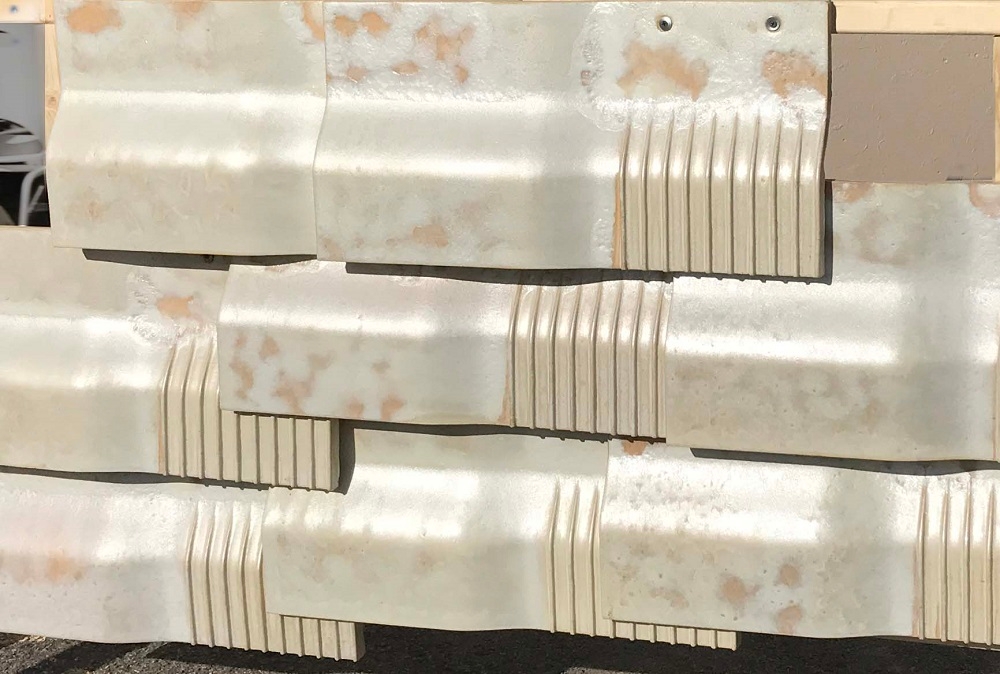
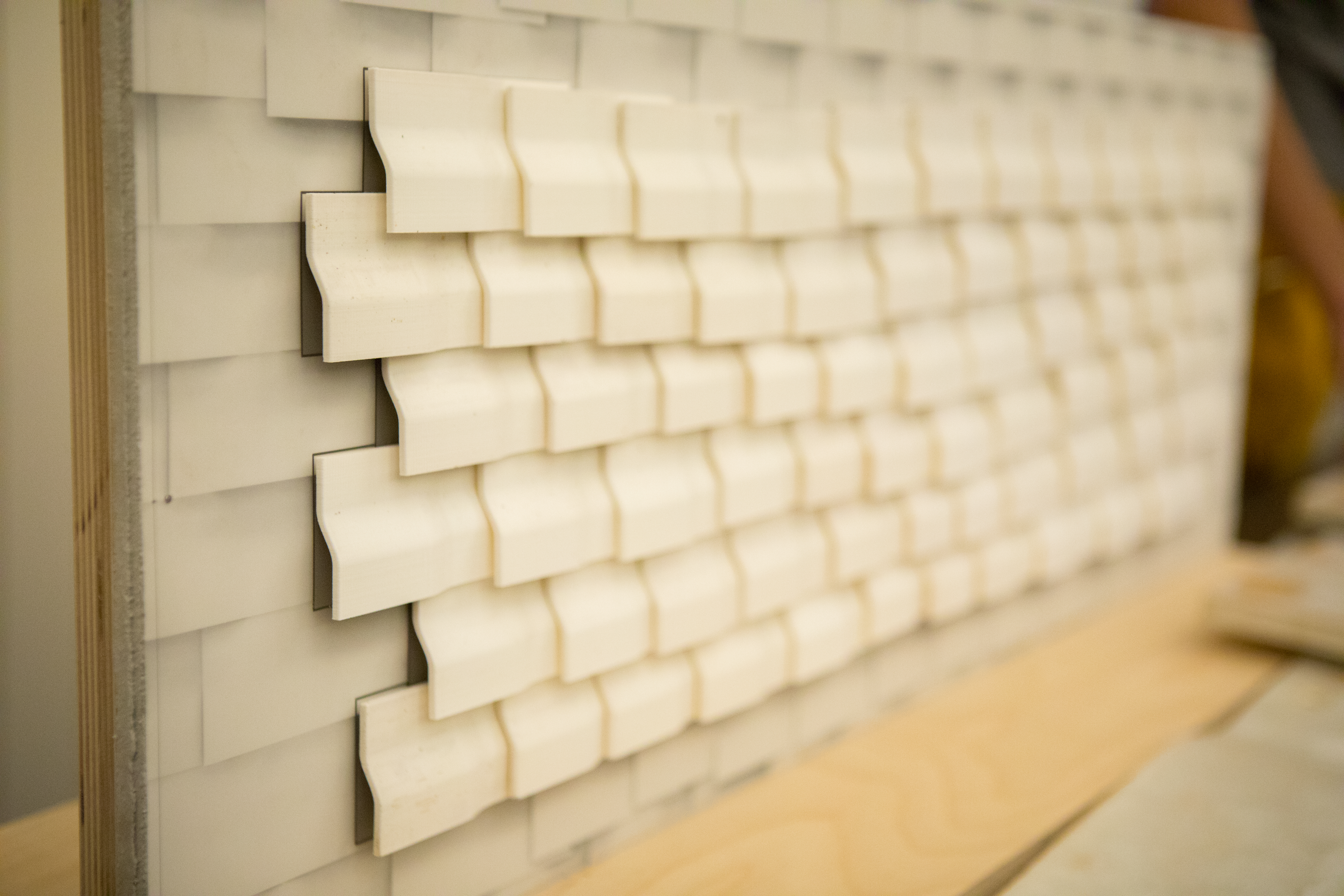
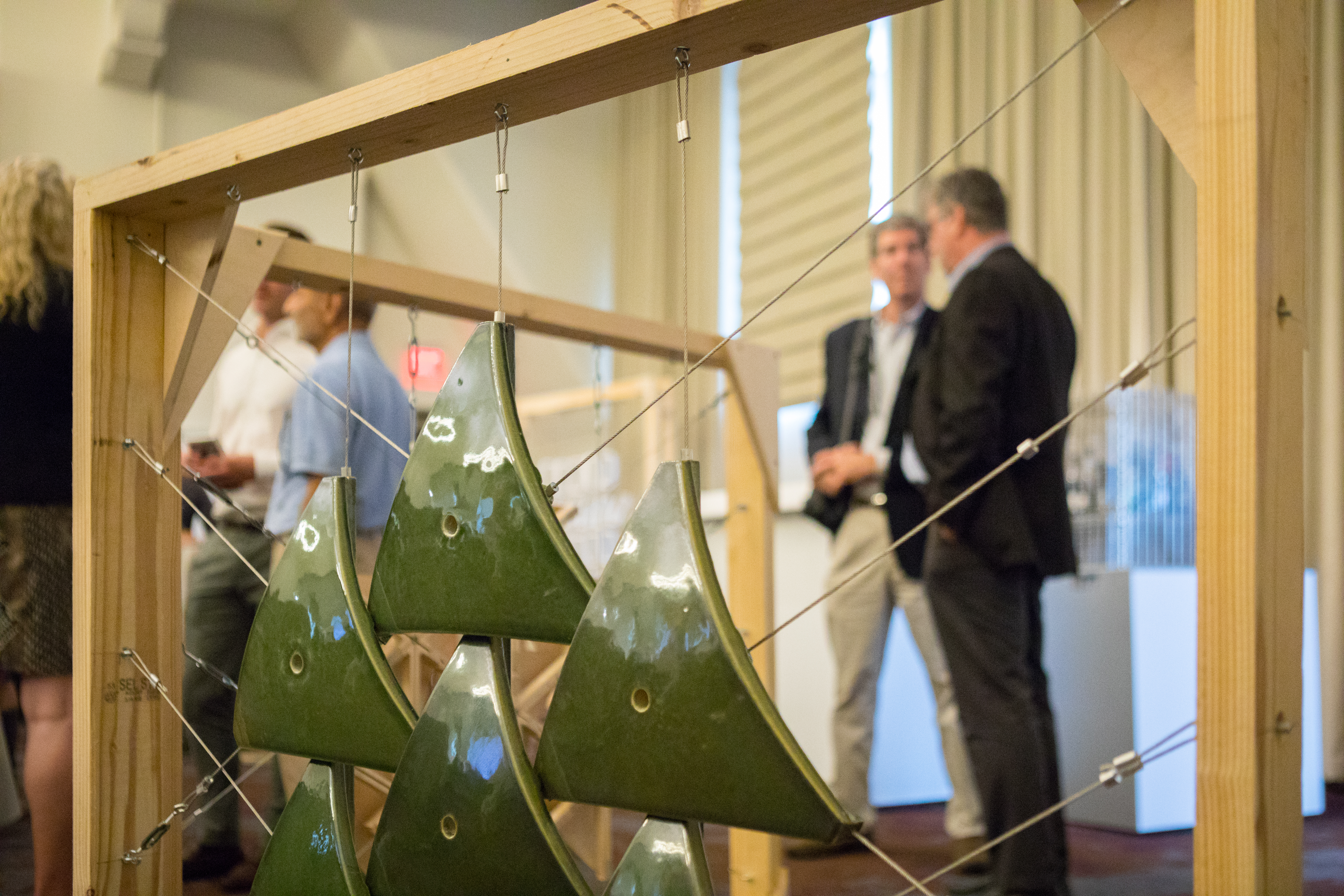





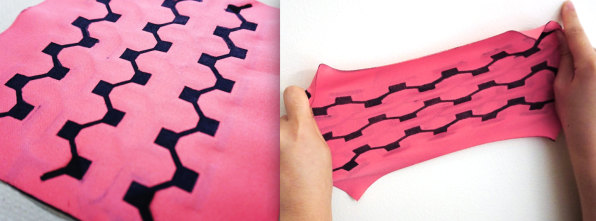
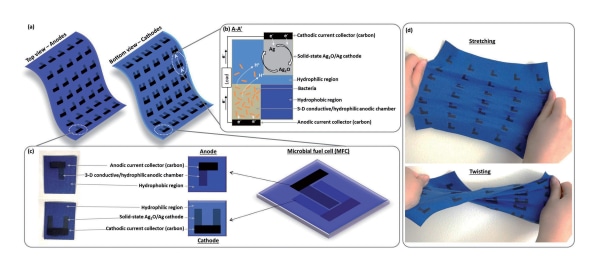








 © Freiburg Cup


![G-Series photo 2[1][1]](http://content.presspage.com/uploads/1369/1920_g-seriesphoto211.jpg?10000 "G-Series photo 2[1][1]")